
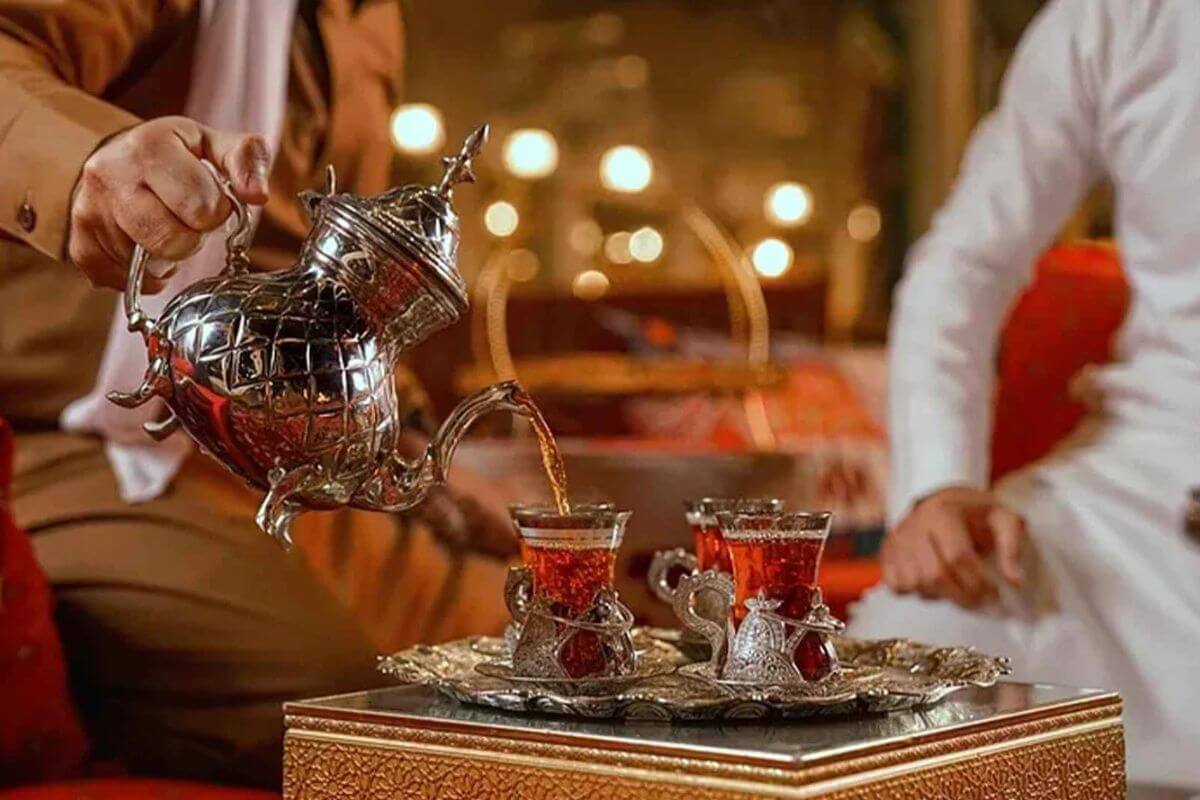

In today’s experiential travel era, culture is no longer defined solely by iconic landmarks or luxury accommodations. Increasingly, global travelers are drawn to intimate, everyday rituals—the small but meaningful practices that reveal how people live, connect, and express identity. Among these rituals, coffee stands out as one of the most powerful cultural symbols across civilizations.
From the gentle aroma of Omani kahwa, served at quiet majlis gatherings, to the bold intensity of Vietnamese ca phe, enjoyed on bustling city sidewalks, coffee culture in Oman and Vietnam tells deeply human stories. These stories are shaped by history, hospitality, and an unspoken understanding of time and presence.
For many international visitors exploring Southeast Asia, especially those joining a thoughtfully designed ho chi minh tour with a local expert such as Saigon Local Tour, Vietnamese coffee culture often becomes the first genuine point of connection with local life. Similarly, travelers to Oman quickly learn that sharing kahwa is not optional—it is an essential cultural gesture rooted in respect, generosity, and social harmony.
This journey from Omani kahwa to Vietnamese ca phe is more than a comparison of beverages. It is a cultural bridge that reveals shared values between two seemingly distant worlds.
The Cultural Meaning of Coffee in Global Travel
Coffee as a Universal Language Across Cultures
Across continents, coffee functions as a universal language—one that transcends spoken words. Regardless of geography, the act of offering coffee communicates welcome, trust, and openness. For travelers, this moment often becomes the first emotional connection with a destination.
In Oman, kahwa is poured slowly, deliberately, and with great care. In Vietnam, coffee drips patiently through a metal phin, inviting reflection rather than haste. Despite the differences in preparation and flavor, both rituals share a common intention: to create space for human connection.
This universality explains why coffee has become such a powerful medium in cultural travel. It allows visitors to participate rather than observe, to sit rather than rush, and to listen rather than simply look.
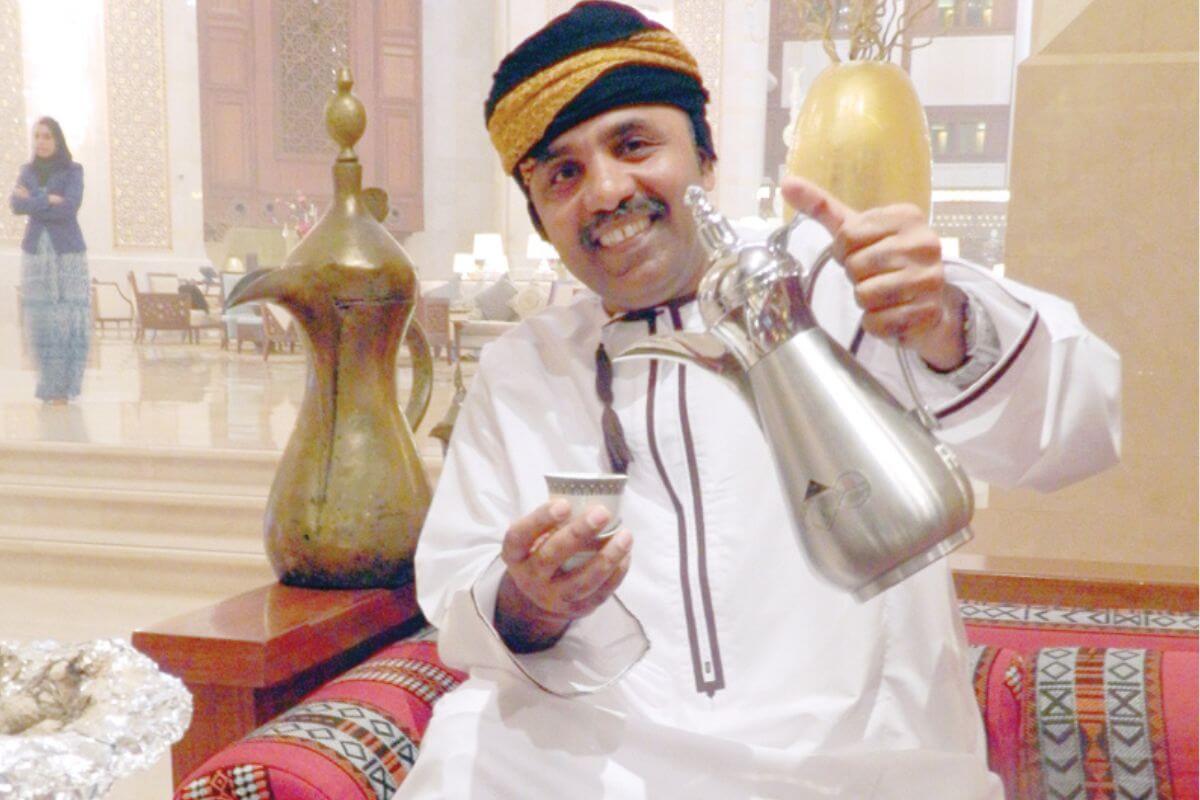
Why Coffee Rituals Matter to Cultural Travelers
Cultural travelers increasingly seek depth over spectacle. They want to understand not only what a place looks like, but how it feels to live there. Coffee rituals offer a rare window into local values—how time is perceived, how guests are treated, and how social relationships are nurtured.
Understanding coffee culture in Oman and coffee culture in Vietnam allows travelers to move beyond curated experiences and into authentic daily life. These rituals reveal cultural priorities that monuments alone cannot convey.
Omani Kahwa – A Tradition Rooted in Hospitality
The Origins and History of Omani Kahwa
Omani kahwa is one of the oldest coffee traditions in the Arab world. Its roots can be traced back centuries, shaped by Oman’s position as a historic maritime trading nation connecting Africa, the Middle East, and South Asia. Through these exchanges, coffee became deeply embedded in Omani social life.
Unlike darker roasts common elsewhere, Omani kahwa is lightly roasted and delicately spiced. Cardamom is essential, while saffron, cloves, or rosewater may be added depending on regional traditions. The result is a fragrant, golden-hued coffee that emphasizes aroma, subtlety, and balance.
This refined profile reflects the Omani appreciation for elegance, restraint, and mindfulness—values that continue to shape modern Omani society.
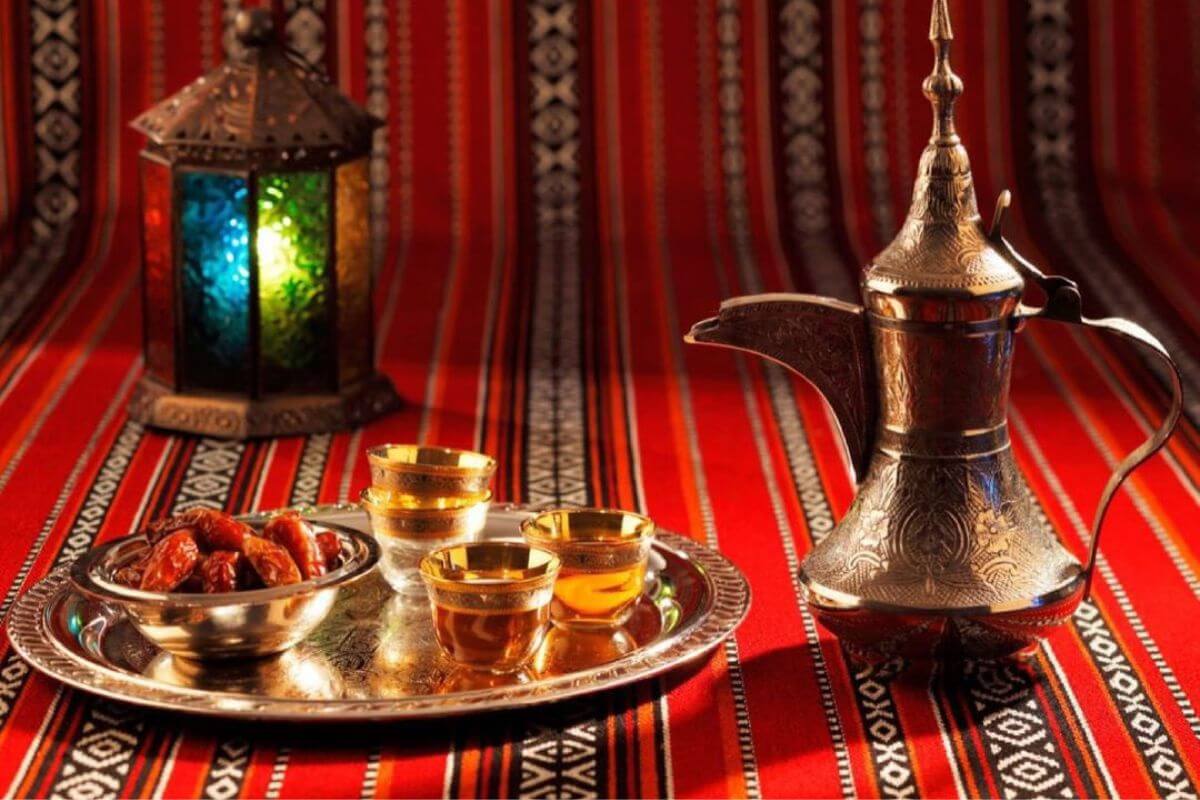
The Ritual of Serving Kahwa in Omani Homes and Majlis
Serving kahwa follows precise cultural etiquette. Coffee is poured from a traditional dallah into small cups, never filled to the brim. The host stands while serving, beginning with the most honored guest, and remains attentive throughout the gathering.
Guests typically receive multiple refills unless they gently signal that they have had enough. This ritual reinforces mutual respect: the host demonstrates generosity, while the guest acknowledges hospitality with gratitude.
For travelers, participating in this ritual offers profound insight into Omani culture. It is not simply about drinking coffee, but about being welcomed into a social contract defined by dignity and care.
How Kahwa Reflects Omani Values of Respect and Generosity
Omani kahwa embodies core national values. Hospitality is considered a moral duty, not a performance. Kahwa symbolizes equality—every guest, regardless of background, is treated with the same courtesy.
This tradition illustrates how coffee culture in Oman functions as a living expression of identity, reinforcing community bonds and preserving heritage through everyday practice.
Coffee in Everyday Life Across Oman
Kahwa as a Social Connector in Daily Conversations
Beyond formal gatherings, kahwa plays an integral role in everyday interactions. Friends meeting after work, elders discussing community matters, and colleagues hosting informal meetings all rely on kahwa to create a relaxed and respectful atmosphere.
These moments demonstrate how coffee culture in Oman seamlessly blends tradition with modern life.
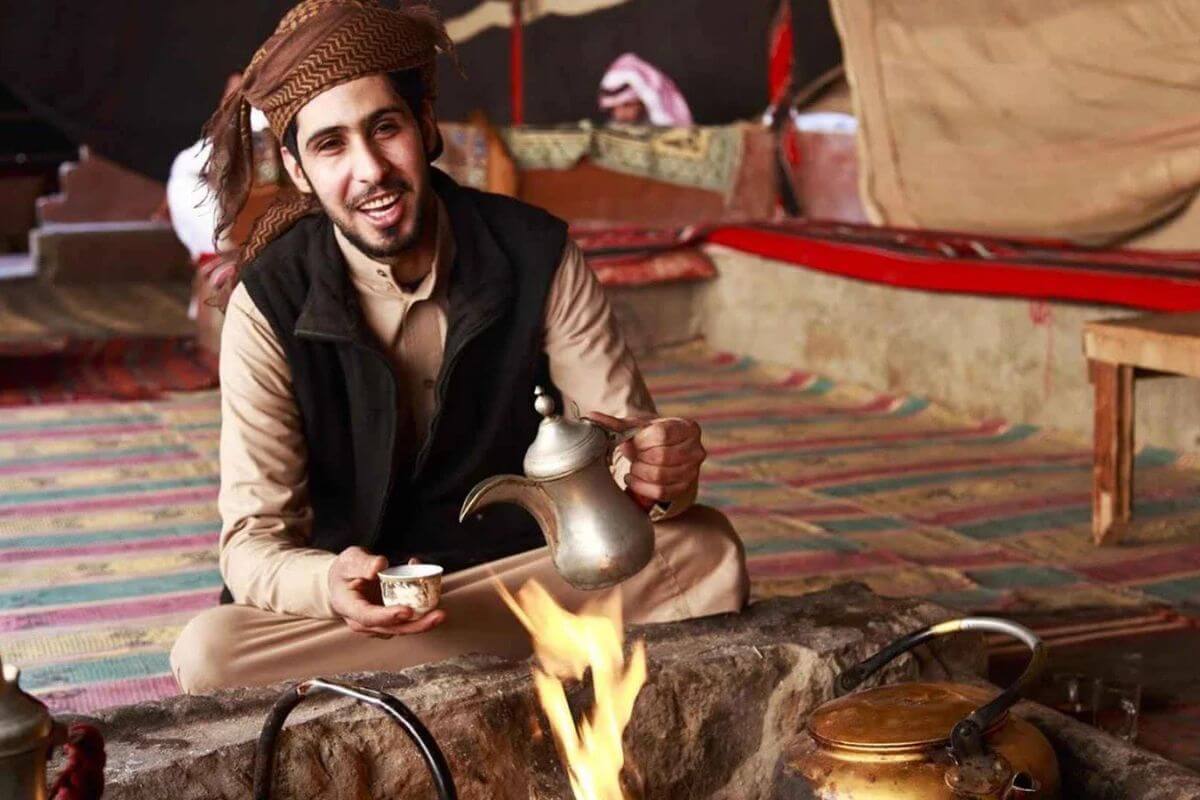
Coffee Moments Beyond Formal Hospitality
In offices, shops, and roadside stops, kahwa continues to serve as a symbol of continuity. While settings may change, the underlying values remain constant. This adaptability ensures that kahwa remains relevant across generations.
Vietnamese Ca Phe – Coffee as a Way of Life
The Arrival and Evolution of Coffee in Vietnam
Coffee arrived in Vietnam during the French colonial era in the 19th century. However, rather than simply adopting European coffee traditions, Vietnam transformed coffee into something distinctly its own.
Local farmers embraced robusta beans, while Vietnamese creativity introduced condensed milk, slow brewing, and innovative styles. Over time, coffee became not a luxury but a daily necessity—a reflection of resilience and adaptability.
Today, Vietnamese coffee culture is globally admired for its bold flavors and distinctive rituals.
Traditional Brewing Methods and Iconic Vietnamese Coffee Styles
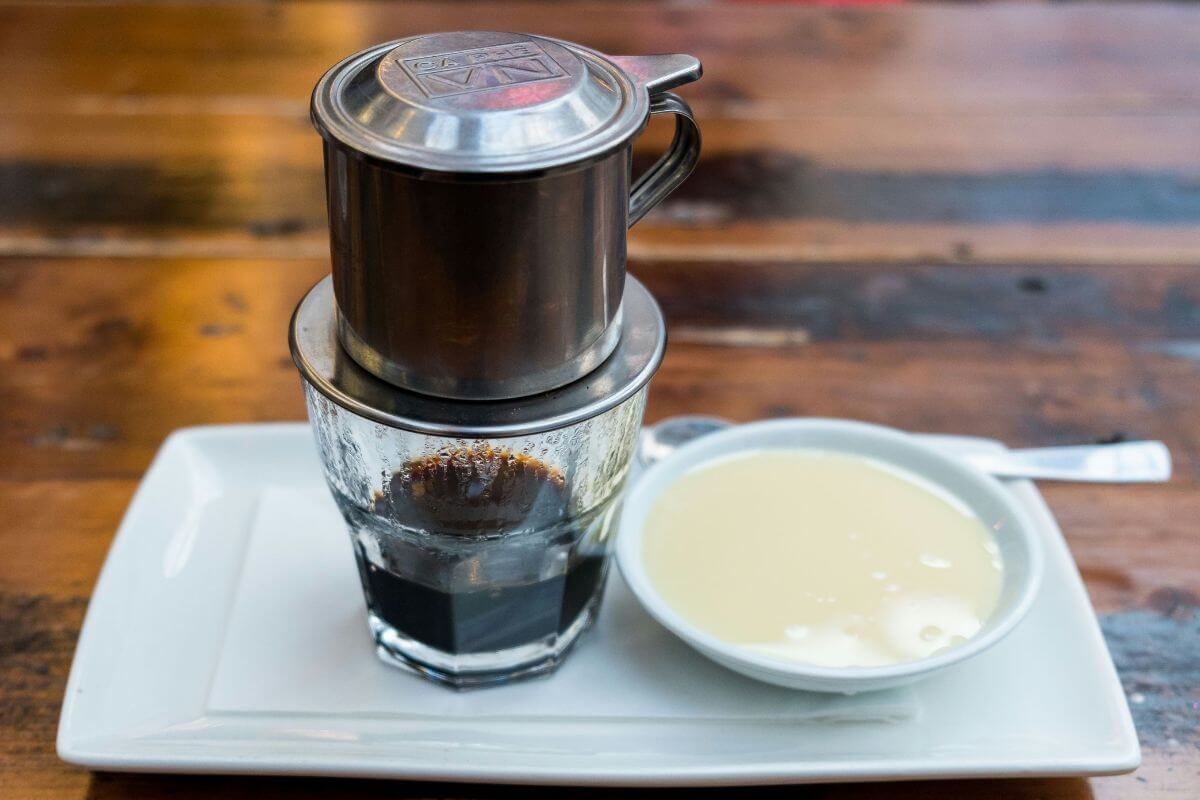
The phin filter is central to Vietnamese coffee culture. This slow-drip method encourages patience, transforming coffee into a meditative experience. Popular styles such as ca phe sua da, black iced coffee, and egg coffee demonstrate how tradition and innovation coexist.
These methods reveal how coffee culture in Vietnam values process as much as flavor.
Street Coffee Culture and Urban Rhythm in Ho Chi Minh City
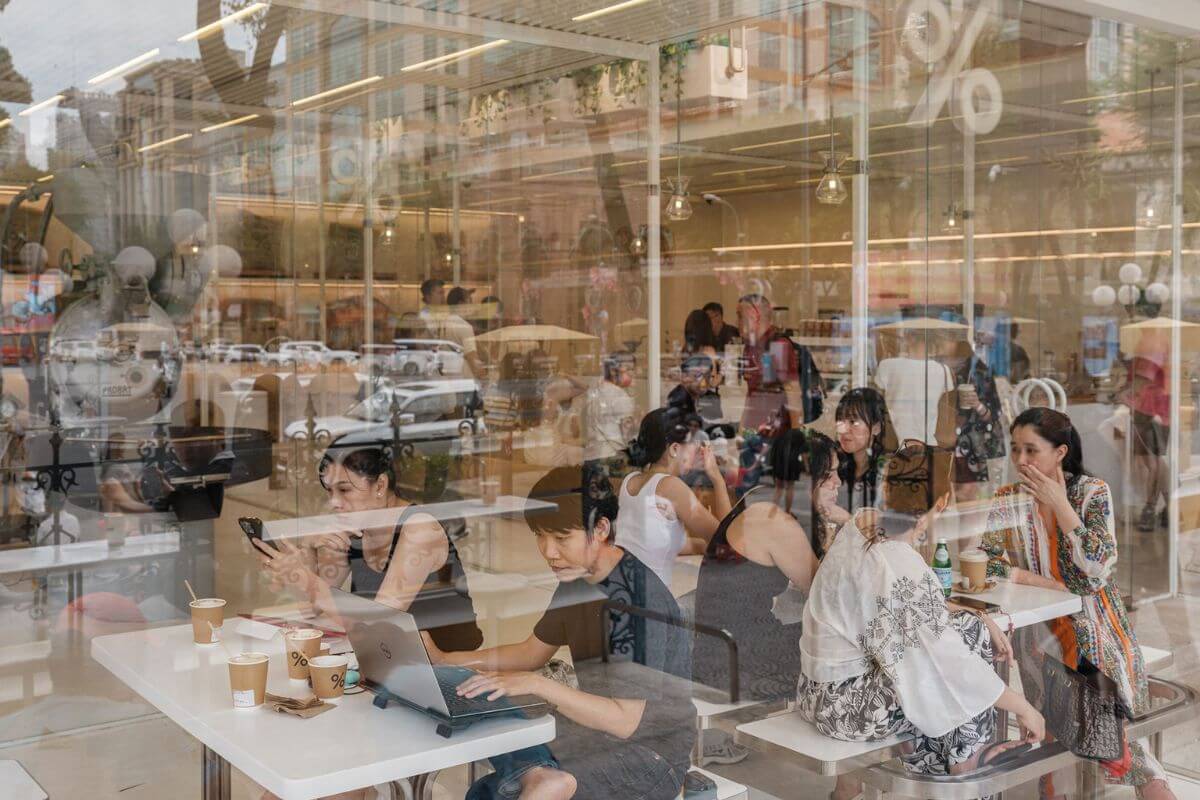
In Ho Chi Minh City, coffee defines the rhythm of daily life. Sidewalk cafés, low plastic stools, and open conversations are integral to the city’s identity.
For travelers, joining locals for street coffee offers an unfiltered glimpse into urban life—moments of laughter, reflection, and connection unfolding in plain sight.
Coffee Spaces as Social Hubs in Vietnam
From Sidewalk Cafés to Neighborhood Coffee Shops
Vietnamese coffee spaces are inclusive and diverse. They serve as extensions of home, workplace, and social circle. Students study, artists create, and friends reconnect—all over cups of coffee.
How Coffee Shapes Daily Interaction and Community Life
Coffee punctuates the Vietnamese day. Morning coffee sets intentions, afternoon coffee fuels conversation, and evening coffee invites reflection. These rhythms strengthen community ties and reinforce shared identity.
Shared Cultural Values Between Oman and Vietnam
Hospitality Expressed Through Coffee Rituals
Despite vast cultural differences, Omani kahwa and Vietnamese ca phe serve the same purpose: welcoming others. Coffee becomes a gesture of care, signaling trust and openness.
Coffee as a Medium for Storytelling and Human Connection
In both cultures, coffee creates space for stories. Elders share wisdom, friends exchange ideas, and travelers listen. These narratives deepen understanding far beyond what guidebooks can offer.
The Cultural Importance of Time and Presence
Perhaps the most profound shared value is the emphasis on slowing down. Coffee rituals in Oman and Vietnam resist urgency, encouraging presence, patience, and attentiveness—qualities increasingly valued by modern travelers.
Experiencing Culture Through Coffee While Traveling
Why Everyday Rituals Create Deeper Travel Experiences
Everyday rituals provide the most authentic cultural insights. By engaging with coffee culture, travelers experience destinations as lived spaces rather than tourist products.
Coffee Culture as an Entry Point to Local Life
From sipping kahwa in an Omani majlis to enjoying ca phe on a Saigon sidewalk, coffee becomes an entry point into local life. These moments foster empathy, understanding, and meaningful connection.
By tracing the journey from Omani kahwa to Vietnamese ca phe, travelers discover more than contrasting flavors. They uncover shared human values—hospitality, presence, and connection—that transcend borders. Coffee culture in Oman and coffee culture in Vietnam remind us that the most memorable travel experiences often begin with a simple invitation to sit, share, and connect.
0 Comment