

As Burmese travelers increasingly explore the Middle East through Myanmar tour packages, Oman stands out as a welcoming destination blending stunning landscapes with rich culinary traditions. This guide focuses on Oman food for Burmese, highlighting vegetarian food in Oman for Burmese and Buddhist-friendly food in Oman to ensure a seamless experience. Drawing from years of exploring Oman’s diverse food scene, I’ll share practical insights to help you navigate meals that align with vegetarian and Buddhist principles.
Overview of Omani Cuisine
Omani cuisine is a beautiful fusion shaped by centuries of maritime trade along the Indian Ocean. Influences from Persia, India, East Africa, and the Arabian Peninsula come together in a cuisine that values balance: aromatic spices, fresh herbs, hearty grains, and naturally sweet dates. Rice remains a cornerstone—similar to Burmese sticky rice or htamin—but prepared differently, often spiced with saffron, cinnamon, and dried lime (loomi).
While lamb, chicken, and seafood feature prominently in dishes like shuwa (slow-cooked meat in an underground oven) and grilled kingfish, vegetarian adaptations are common and delicious. Omani meals are communal: large platters are placed in the center, encouraging sharing and conversation. For Oman food for Burmese, this style feels familiar—much like sharing mohinga or laphet thoke with family.
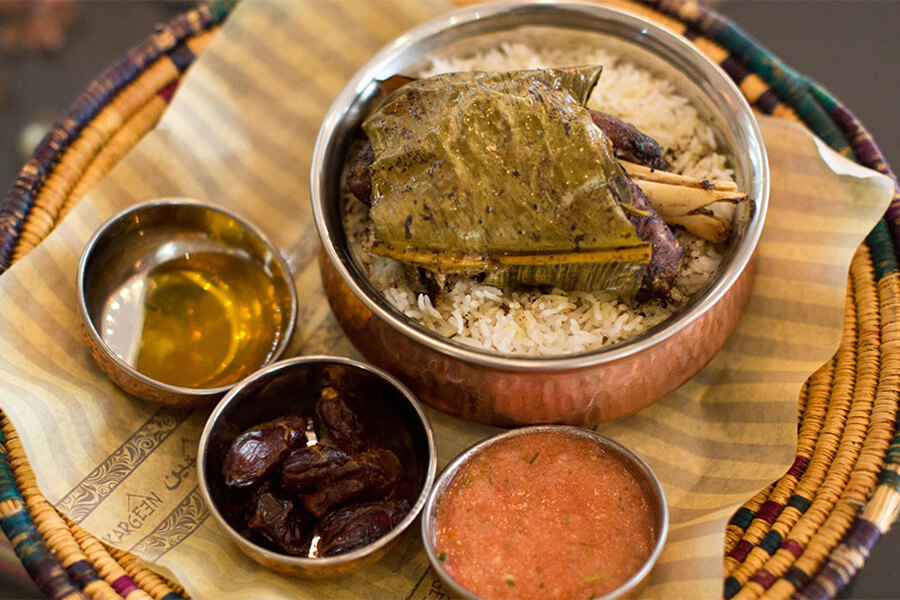
Dates are more than a snack in Oman; they are a cultural symbol. Fresh khalas, fardh, or khunaizi dates appear at every meal, providing natural energy during long desert drives or hikes. Fresh pomegranate, mango (in season in Salalah), and guava add tropical notes that Burmese travelers will appreciate.
Bread is another staple: thin, crispy rukhal baked on a domed oven, or thicker khubz. These breads serve as utensils, scooping up dips and stews. Spices are used generously but not overwhelmingly hot – cardamom, cumin, coriander, turmeric, and black lime create depth without the chili intensity common in Burmese cuisine.
Understanding Vegetarian & Buddhist-Friendly Food in Oman
Finding suitable food in Oman is easier than many expect, especially for those following vegetarian or Buddhist guidelines.
Is Vegetarian Food Easy to Find in Oman?
Absolutely – particularly in the last decade. Muscat now has dozens of dedicated vegetarian and vegan cafes, while Indian and Pakistani communities ensure widespread availability of dal, sabzi, and paneer alternatives. In smaller towns like Sur or Sohar, you can still rely on vegetable stews, lentil soups, and fresh salads. From my experience guiding Burmese groups, we rarely struggled; the key is knowing what to order and how to phrase requests in Arabic or English.
Halal Food vs Buddhist Vegetarian Diet: What’s the Difference?
Halal certification ensures meat is slaughtered according to Islamic rules, but it does not guarantee vegetarian status. Many halal restaurants use chicken or beef broth in seemingly vegetarian dishes. For Buddhist-friendly food in Oman, the focus shifts to ahimsa (non-harm): no meat, fish, eggs (in stricter traditions), and often avoiding the five pungent vegetables (garlic, onions, leeks, chives, shallots) that some Mahayana and Theravada schools consider stimulants.
The good news: most traditional Omani vegetarian dishes naturally avoid these issues when prepared simply. Always say “la lahm, la samak, la bayd” (no meat, no fish, no eggs) and “min ghayr thum wa basal” (without garlic and onion) to be safe.
Ingredients Burmese Buddhist Travelers Should Avoid
Beyond obvious animal products, watch for:
- Ghee (clarified butter) in some Indian breads or sweets—request vegetable oil instead.
- Hidden fish sauce or shrimp paste in coastal adaptations (rare but possible).
- Eggs in naan, paratha, or certain desserts.
- The five pungent roots mentioned above, which appear in many curries.
In practice, I’ve found that asking politely at family-run eateries usually results in customized plates without these ingredients.
Popular Vegetarian Dishes in Oman Suitable for Burmese Travelers
These dishes offer comfort, nutrition, and flavors that echo elements of Burmese home cooking.
Traditional Omani Vegetarian-Friendly Dishes
- Shurbah (vegetable soup): A fragrant broth with tomatoes, carrots, potatoes, lentils, and spices. Light yet filling—perfect for breakfast or iftar.
- Madrouba: Creamy mashed rice cooked slowly with vegetables and aromatic spices. Think of it as Omani-style sanwin makin.
- Veg Salona: A thick stew of mixed vegetables simmered in tomato base with loomi (dried lime) for tanginess.
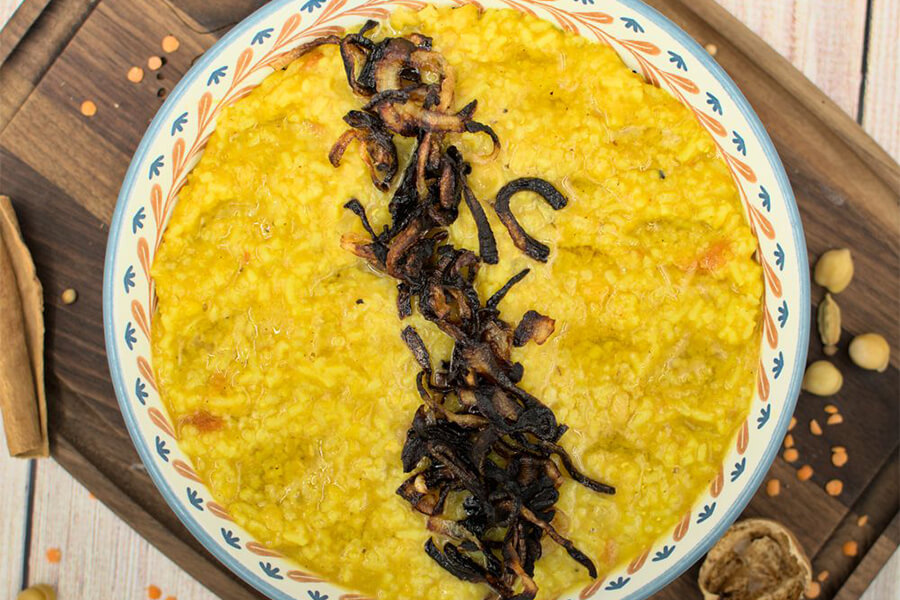
- Mujaddara: Lentils and rice topped with caramelized onions (ask to skip onions if needed).
- Harees (vegetarian version): Wheat porridge sometimes made with just ghee and sugar—request oil-based.
- Khabeesa: Toasted semolina sweetened with dates and cardamom—naturally vegan and addictive.
- Dates stuffed with nuts: Simple, portable energy snack.
These vegetarian dishes in Oman provide balanced nutrition and gentle flavors suitable for long travel days.
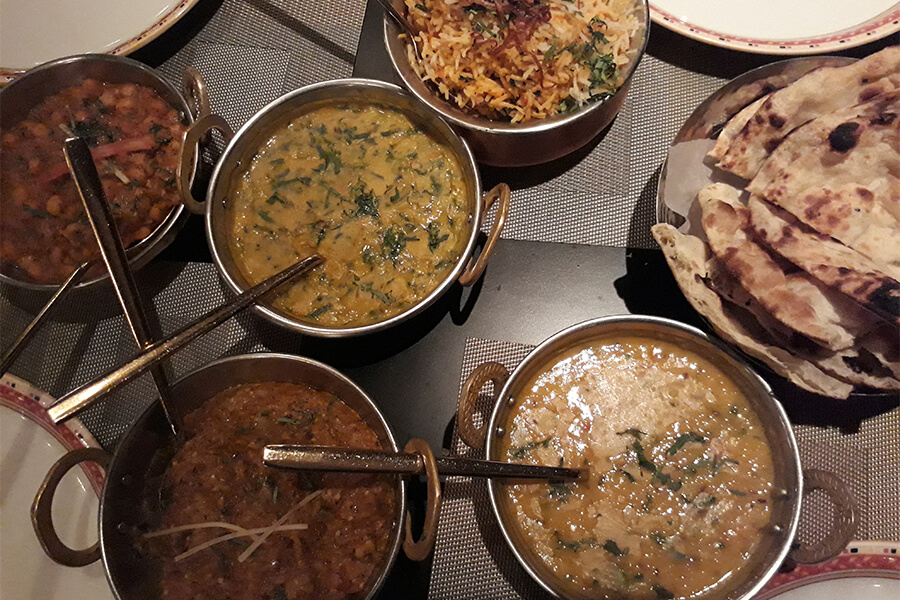
Indian and South Asian Vegetarian Food in Oman
Thanks to the large South Asian diaspora, Oman rivals Dubai in variety:
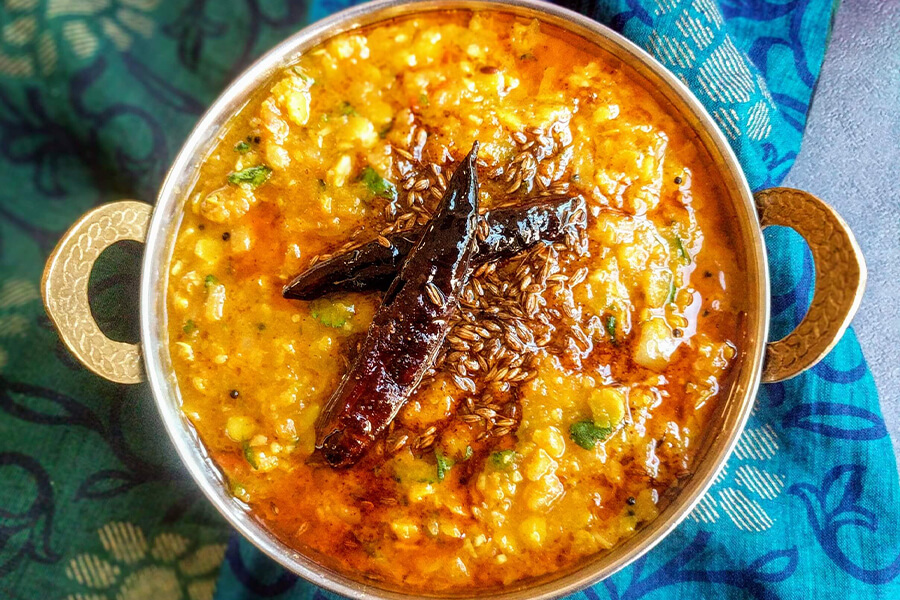
- Dal tadka or dal makhani (lentil curries)
- Vegetable biryani or pulao
- Aloo gobi, bhindi masala, chana masala
- Dosa, idli, vada with sambar and chutney
- Vegetable korma or navratan korma (request no cream for vegan)
- Fresh roti or chapati
Many Burmese travelers find these dishes comforting because they resemble mohinga broth bases or vegetable curries back home, just with different spice blends.
Where to Eat Vegetarian Food in Oman for Burmese?
Oman’s dining scene caters well to international visitors.
Best Cities in Oman for Vegetarian and Buddhist-Friendly Food
- Muscat: The clear winner—hundreds of options from high-end vegan cafes to budget Indian canteens in Ruwi and Al Khuwair.
- Salalah: During khareef (monsoon season), fresh coconut, jackfruit, and vegetable curries abound. Indian restaurants line the main roads.
- Nizwa & Bahla: Traditional Omani cafes serve adapted salona and madrouba; ask for no meat versions.
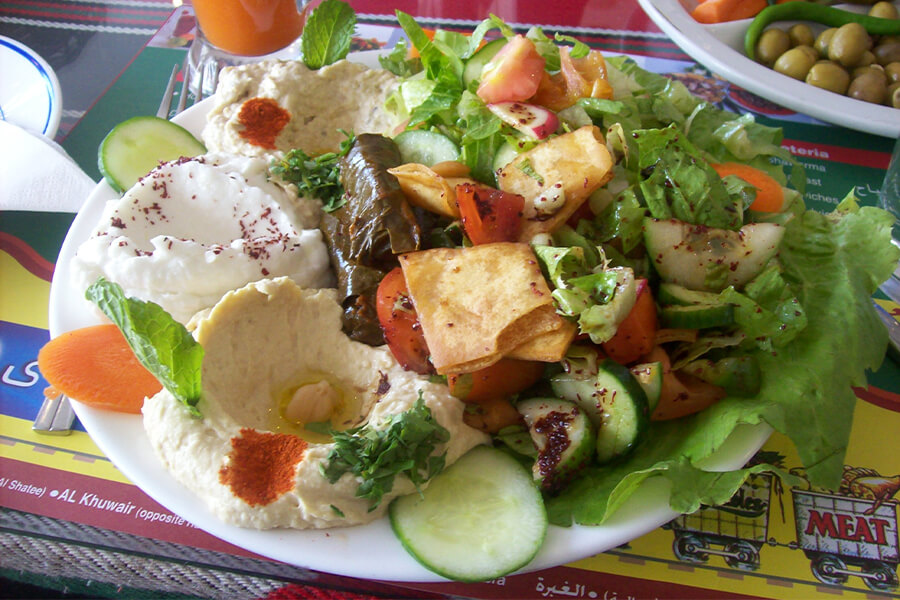
- Sohar & Sur: Coastal towns offer excellent falafel, hummus, and tabbouleh.
Vegetarian Restaurants and Local Eateries Burmese Travelers Can Trust
- Mani’s Café (Muscat): Vegan cakes, Buddha bowls, smoothies.
- Kamat Restaurant (multiple branches): Authentic South Indian vegetarian thali.
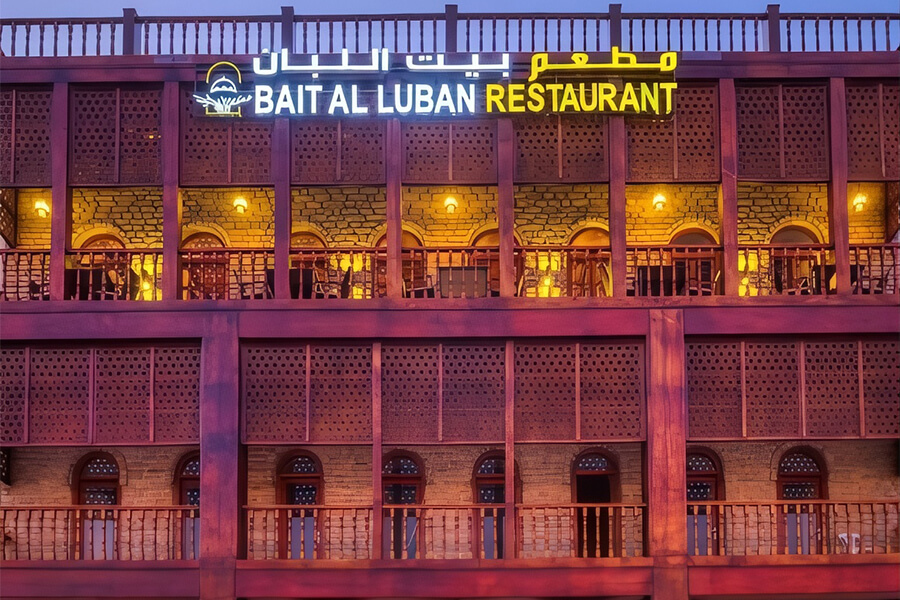
- Bait Al Luban (Muscat): Omani vegetarian platters with modern twists.
- Saravana Bhavan (Muscat): Chain known for pure vegetarian South Indian fare.
- Street stalls in Mutrah Souk: Fresh falafel wraps, foul medames, and mint lemonade.
These spots consistently receive praise for hygiene and flexibility with dietary requests.
Burmese Travelers Food Guide Oman: Practical Eating Advice
Real-world tips to make eating stress-free.
Daily Food Budget for Vegetarian Meals in Oman
Budget: 6–12 OMR/day (≈15–30 USD)
- Breakfast (cafe bread + tea): 1.5–3 OMR
- Lunch (falafel wrap + salad): 1.5–3 OMR
- Dinner (thali or veg curry + rice): 3–6 OMR
- Snacks (dates, fruits): 1–2 OMR
Eating at Lulu Hypermarket food courts or local canteens keeps costs low.
Supermarkets and Vegetarian Ingredients for Self-Cooking
Stock up at:
- Lulu Hypermarket (every major city): Tofu, soya chunks, lentils, basmati rice, fresh herbs, coconut milk.
- Carrefour & Spinneys: Vegan spreads, plant-based milk, frozen veggies.
- Local souqs: Dates, pomegranates, okra, eggplant, spices.
Many Airbnb apartments have kitchens—cooking simple khow suey-inspired vegetable noodle soup or Burmese-style vegetable curry is easy and economical.
Common Food Mistakes Burmese Travelers Should Avoid
- Assuming “vegetable” on the menu means no broth—always double-check.
- Eating street salads without asking about water source (stick to cooked veggies in heat).
- Ordering naan without specifying no ghee or egg wash.
- Forgetting Ramadan hours—many places close daytime during the holy month.
Food Tips for Buddhist Travelers in Oman
- Practice mindful eating: appreciate each bite, reflect on gratitude for the food and farmers.
- During Ramadan, eat discreetly in public to respect local customs.
- Carry electrolyte packets—Oman’s heat demands hydration.
- Use translation apps to explain “no garlic, no onion, no eggs” clearly.
- Seek simple, sattvic-style meals: fresh fruits, steamed vegetables, rice.
- Join local iftar (if invited) but request vegetarian portions in advance.
Oman’s food culture, rooted in generosity and fresh ingredients, pairs wonderfully with Burmese sensibilities and Buddhist mindfulness. With these tips, your culinary journey through Oman food for Burmese will be nourishing, respectful, and memorable.
0 Comment