

Traveling between the Middle East and Southeast Asia may appear, at first glance, to involve a significant cultural leap. Oman and Vietnam differ in language, religion, and geography, yet travelers who have experienced both destinations often describe an unexpected sense of familiarity. Beneath the surface, these two countries share deeply rooted cultural values that shape daily life, social behavior, and the way visitors are welcomed.
For international travelers who have explored Vietnam through immersive saigon tours that emphasize authentic local experiences, adapting to life and travel in Oman can feel surprisingly natural. Understanding these cultural similarities not only makes travel easier but also transforms the journey into a more meaningful, human-centered experience.
This guide explores the most important cultural parallels between Oman and Vietnam, helping travelers navigate both destinations with confidence, respect, and deeper cultural awareness.
Deep Respect for Tradition and Cultural Heritage
Ancient Civilizations That Still Shape Modern Life
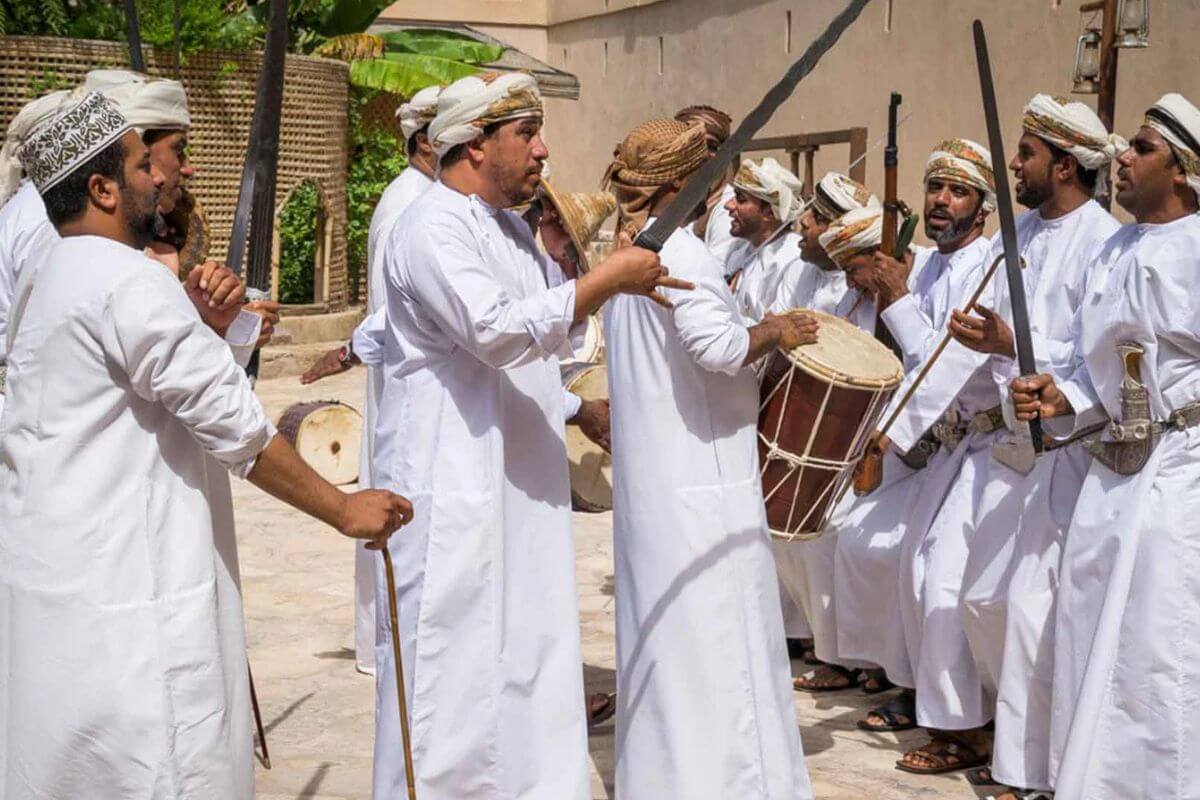
Both Oman and Vietnam are shaped by ancient civilizations whose influence continues to define modern identity. In Vietnam, centuries of Confucian philosophy, Buddhist teachings, and indigenous traditions guide social values, education, and family structures. In Oman, Arab heritage, Islamic principles, and a long maritime history shape everything from architecture to daily etiquette.
What unites these cultures is the fact that tradition is not treated as something frozen in the past. Instead, it remains alive and relevant. Historical narratives, ancestral stories, and cultural rituals are passed down through generations and practiced in everyday life. Travelers often sense this continuity immediately, whether walking through an old quarter in Hanoi or exploring a historic Omani town.
This strong connection to the past gives both destinations a sense of depth and authenticity that resonates with culturally curious visitors.
Preserving Traditional Dress, Architecture, and Customs
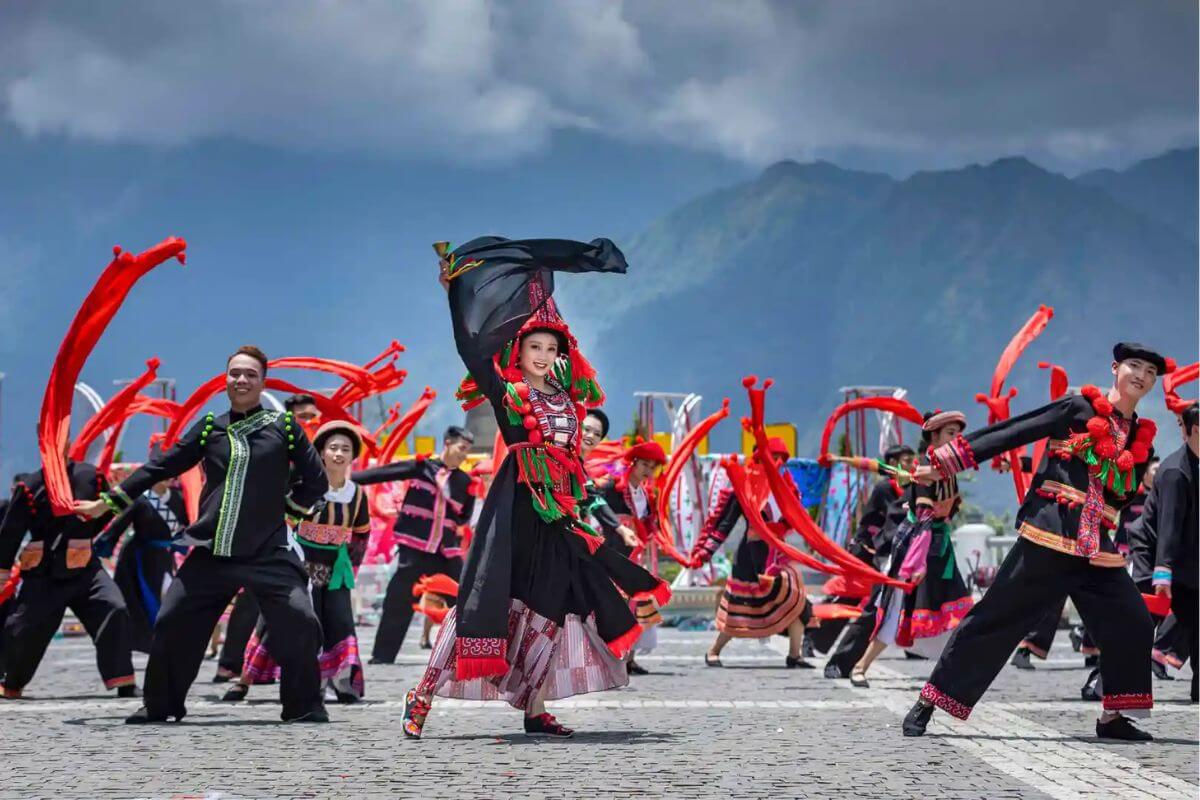
In Oman, traditional clothing such as the dishdasha for men and the abaya for women is worn daily, reflecting pride in national identity rather than formality. Similarly, Vietnam’s áo dài remains a powerful cultural symbol, commonly seen during festivals, weddings, and formal occasions.
Architecture also reflects this shared respect for heritage. From Omani forts and mosques to Vietnamese communal houses and temples, traditional structures are preserved as functional spaces rather than museum pieces. Customs related to greetings, celebrations, and social hierarchy continue to guide interactions, making both cultures feel deeply rooted and coherent.
Hospitality as a Core Cultural Value
Welcoming Guests as an Honor
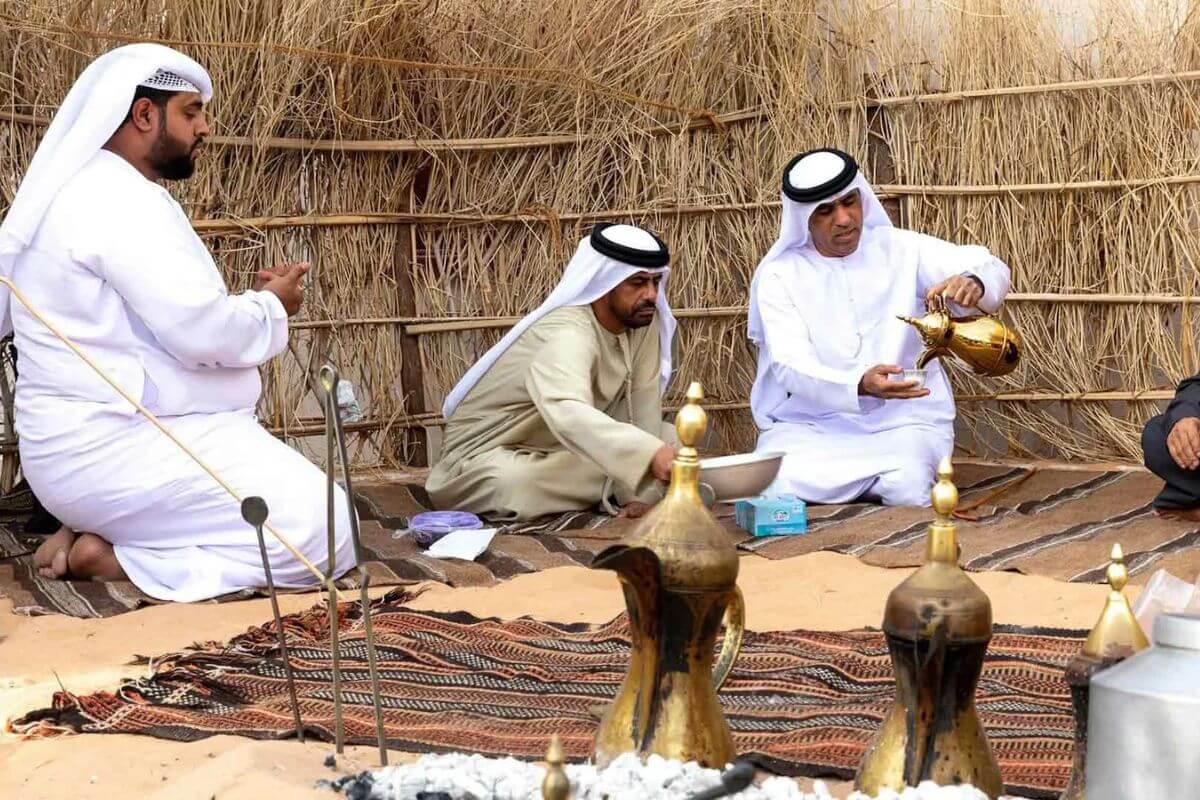
Hospitality in both Oman and Vietnam is not simply part of the tourism industry; it is a moral and cultural responsibility. Welcoming guests is considered an honor, reflecting personal values and family upbringing.
In Oman, offering coffee, dates, and conversation to visitors is a long-standing tradition rooted in Bedouin culture. In Vietnam, hospitality often takes the form of shared meals, thoughtful gestures, and genuine interest in a guest’s background. In both countries, the warmth shown to visitors is sincere and unforced.
This shared approach creates an environment where travelers feel genuinely welcomed rather than treated as customers.
How Local Hosts in Oman and Vietnam Treat Visitors Like Family
Many travelers notice that interactions in both Oman and Vietnam quickly move beyond formalities. Hosts ask about family, personal journeys, and cultural backgrounds. Conversations are often unhurried, focusing on building rapport rather than completing transactions.
This sense of being treated like an extended family member is one of the most rewarding aspects of travel in both destinations. It encourages mutual respect and often leads to deeper cultural exchange.
Strong Family Values and Community Bonds
Multi-Generational Families and Respect for Elders
Family lies at the heart of social life in both Oman and Vietnam. Multi-generational households are common, and elders are highly respected as sources of wisdom and guidance.
Decisions related to education, marriage, business, and even travel are often discussed collectively. This family-centered mindset influences how people interact with outsiders, often extending warmth and care to guests as an extension of family values.
Family Influence on Social Behavior and Decision-Making
Understanding the role of family helps travelers interpret social dynamics more accurately. Politeness, patience, and indirect communication often reflect a desire to maintain harmony and respect. This cultural similarity makes it easier for travelers to adapt their behavior and expectations when moving between the two countries.
Modesty, Politeness, and Social Etiquette
Shared Expectations of Respectful Dress and Behavior
Although Oman and Vietnam differ religiously, both cultures value modesty and respectful conduct. Dressing appropriately, especially in rural areas and religious sites, is seen as a sign of cultural awareness rather than restriction.
Public behavior is generally calm and considerate. Loud confrontation or overt displays of impatience are discouraged, reflecting a shared preference for social harmony.
Understanding Cultural Etiquette Helps Travelers Blend In Easily
Travelers who observe these unspoken rules often find themselves welcomed more openly. Simple gestures—such as polite greetings, measured speech, and respectful body language—go a long way in both destinations, reducing cultural friction and enhancing mutual understanding.
Food Culture as a Way of Connection
Communal Dining and the Importance of Sharing Meals
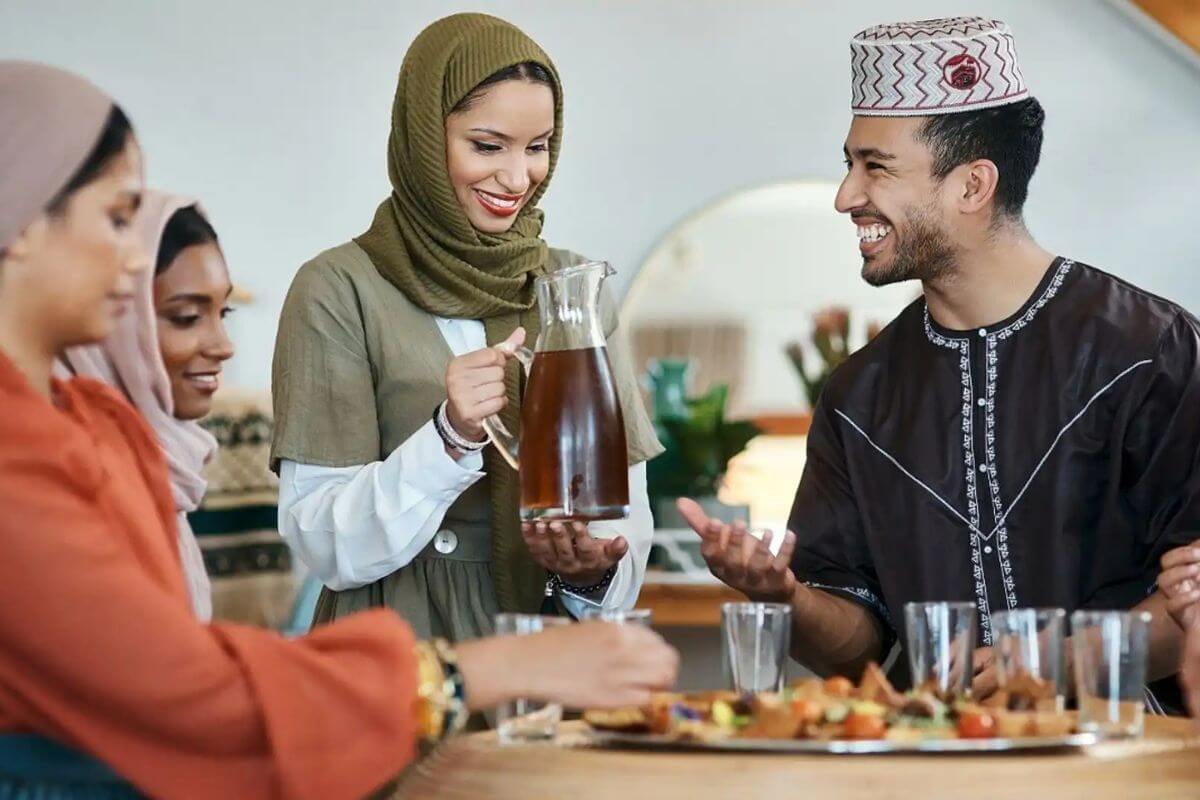
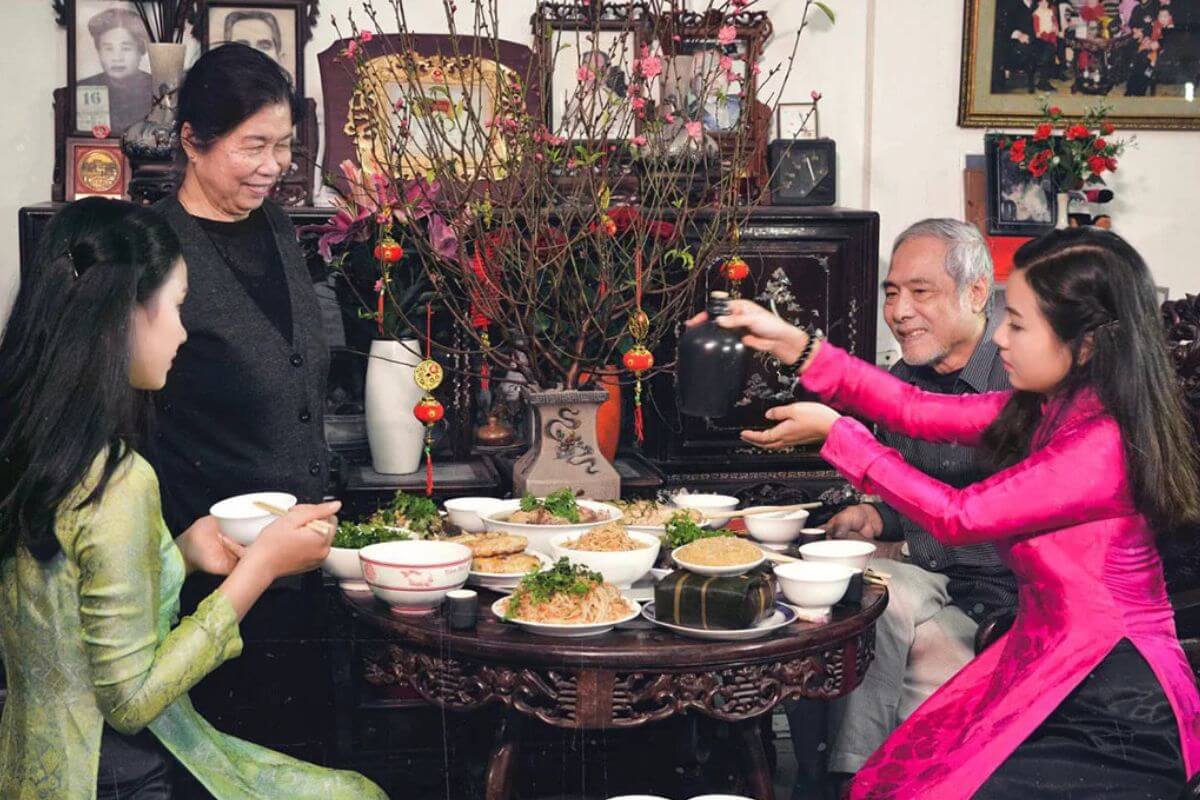
Meals in both Oman and Vietnam are social events that emphasize togetherness. Food is often shared from common dishes, reinforcing bonds and creating space for conversation.
Whether enjoying a traditional Omani feast or a Vietnamese family meal, travelers quickly learn that dining is about connection rather than convenience.
Traditional Cuisine Reflects History and Local Identity
Both cuisines reflect historical trade routes, agricultural traditions, and regional influences. Ingredients are chosen carefully, and recipes are preserved as cultural heritage. Sharing food becomes a way of sharing stories, values, and identity.
Traditional Markets as Cultural Meeting Points
Markets as Daily Social Spaces
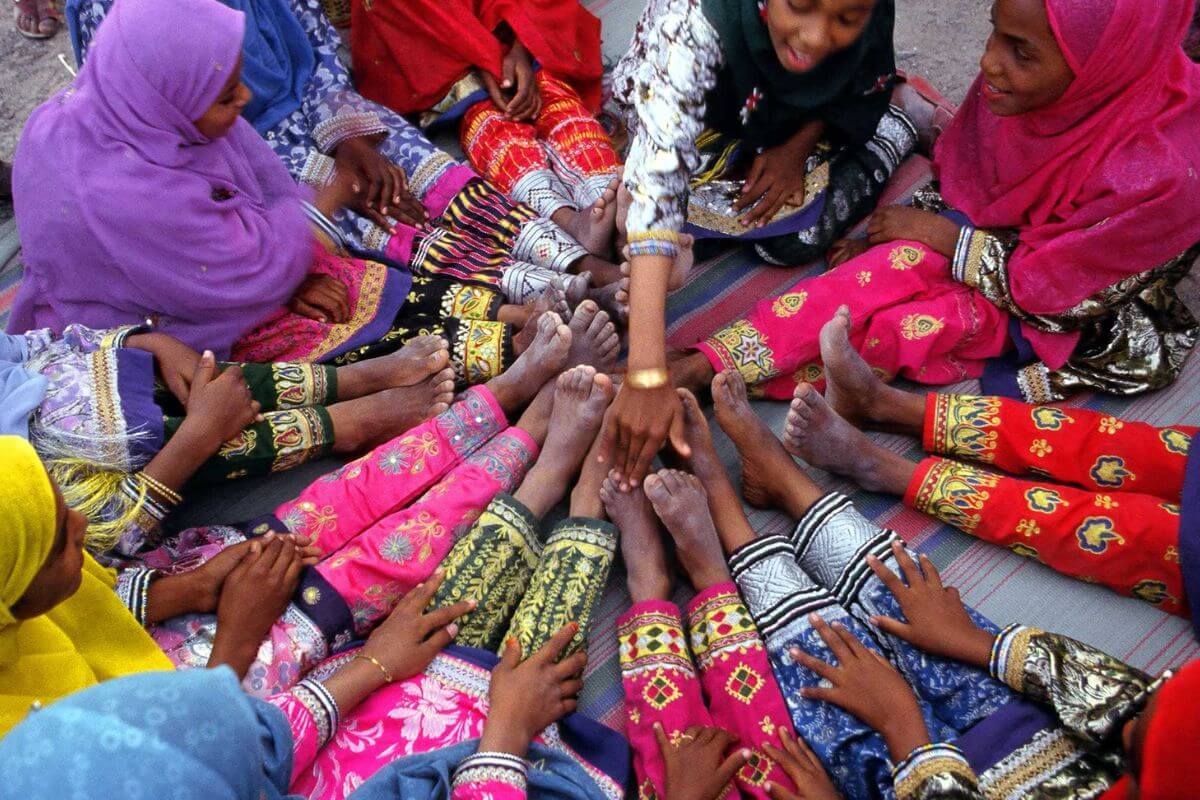
Traditional markets play a vital role in daily life in both countries. Omani souqs and Vietnamese markets are places where commerce, conversation, and community intersect.
These spaces offer travelers insight into local rhythms, social norms, and interpersonal relationships that go far beyond shopping.
Cultural Etiquette When Shopping in Local Markets
Respectful bargaining, friendly conversation, and patience are appreciated in both contexts. Understanding market etiquette helps travelers navigate these environments comfortably and enjoyably.
Spirituality Integrated into Everyday Life
Religion and Belief Systems Shaping Daily Routines
Spirituality quietly shapes daily routines in both cultures. In Oman, Islamic practices influence daily schedules and social norms. In Vietnam, Buddhism, ancestor worship, and folk beliefs are woven into everyday activities.
Rather than being overt, spirituality is integrated naturally into life, creating a sense of balance and continuity.
Respecting Spiritual Practices as a Traveler
Travelers who show awareness of prayer times, sacred spaces, and religious customs are often met with appreciation and guidance. Respectful curiosity is welcomed, fostering deeper cultural understanding.
A Calm, Relationship-Oriented Pace of Life
Building Trust Before Business or Transactions
Both cultures prioritize relationships over speed. Trust is built gradually through conversation and shared experiences. This approach influences everything from business dealings to travel arrangements.
Why This Cultural Rhythm Feels Familiar Across Both Countries
For travelers, this relationship-oriented pace creates a sense of familiarity when moving between Oman and Vietnam. Expectations around communication and timing feel aligned, reducing stress and misunderstandings.
Why These Cultural Similarities Matter for International Travelers
Easier Cultural Adaptation and Fewer Travel Misunderstandings
Recognizing shared values helps travelers adapt more quickly and avoid cultural missteps. Familiar patterns of hospitality, respect, and social interaction provide a comforting framework.
Creating Deeper, More Meaningful Travel Experiences
When travelers engage with local culture through understanding rather than assumption, experiences become richer. This is why many visitors prefer locally guided experiences offered by operators such as Saigon Local Tour, where cultural insight enhances every journey.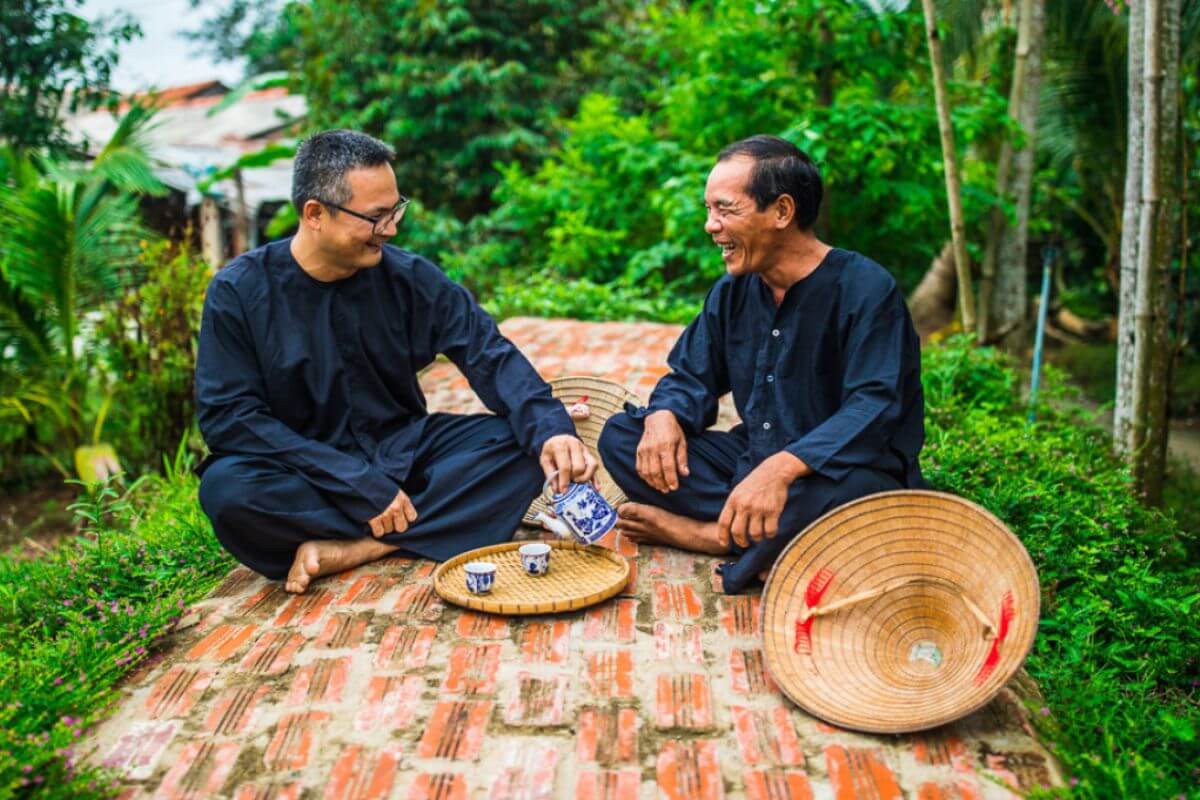
Frequently Asked Questions About the Vietnam and Oman Cultural
What are the most important cultural similarities between Oman and Vietnam?
The most significant cultural similarities between Oman and Vietnam lie in their strong emphasis on hospitality, respect for tradition, family-centered values, and social harmony. In both countries, welcoming guests is considered a cultural responsibility rather than a commercial act, and traditions continue to shape everyday life. These shared values make it easier for travelers to adapt socially and emotionally when moving between the two destinations.
Is it easy for travelers familiar with Vietnam to adapt to Omani culture?
Yes, many travelers who have experienced Vietnam find it relatively easy to adapt to Oman. While religious practices differ, the shared focus on respect, modest behavior, patience, and relationship-building creates a familiar cultural rhythm. Visitors who are accustomed to Vietnamese social etiquette often feel comfortable navigating daily interactions in Oman with minimal adjustment.
How does hospitality differ from Western travel experiences in Oman and Vietnam?
Hospitality in Oman and Vietnam is deeply personal and rooted in cultural values rather than service standards. Guests are often treated like extended family members, with genuine interest shown in their background and well-being. Unlike transactional hospitality commonly found in Western destinations, interactions here prioritize trust, conversation, and long-term connection over efficiency.
Do travelers need to dress conservatively in both Oman and Vietnam?
Respectful and modest dress is appreciated in both countries, particularly in rural areas and religious or cultural sites. While Vietnam is generally more flexible in urban settings, modest attire remains a sign of cultural awareness. In Oman, conservative dress is more consistently expected, especially in public spaces. Dressing appropriately helps travelers blend in and avoid unintentional cultural discomfort.
How important is food culture in understanding local life in Oman and Vietnam?
Food culture plays a central role in both societies. Shared meals are seen as opportunities to strengthen relationships and express hospitality. Traditional dishes often carry historical and cultural meaning, and dining together is a key way locals connect with guests. For travelers, participating in local food experiences offers valuable insight into everyday life and cultural values.
How does spirituality influence daily life in both countries?
Spirituality is integrated quietly and naturally into daily routines in both Oman and Vietnam. In Oman, Islamic practices influence schedules and social norms, while in Vietnam, Buddhism, ancestor worship, and folk beliefs shape everyday decisions and rituals. Travelers who respect spiritual customs often find locals welcoming and willing to share insights.
How can travelers experience these cultural values more authentically in Vietnam?
Travelers seeking deeper cultural immersion often choose locally guided experiences that prioritize authentic interaction. Trusted local operators such as Saigon Local Tour focus on meaningful encounters, local insight, and culturally respectful travel—helping visitors understand Vietnam beyond surface-level sightseeing.
0 Comment