
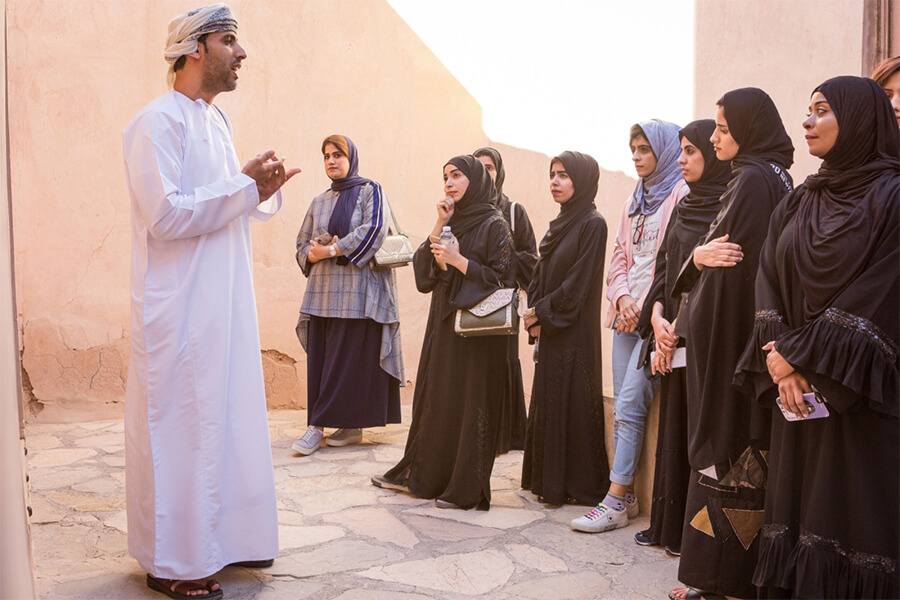

Traveling to new destinations often involves navigating unfamiliar customs and traditions, but discovering Oman and Myanmar cultural similarities can transform your journey into a more seamless and enriching experience. As someone who has explored both countries extensively, from the bustling markets of Muscat to the serene temples of Yangon, I can attest that these shared cultural threads make adaptation easier for visitors. Whether you are planning a solo adventure or opting for one of the many Myanmar tour packages that highlight its ancient heritage, understanding these parallels with Oman prepares you for a smoother transition. In this article, we delve into how cultural similarities between Oman and Myanmar facilitate travel, drawing on real insights from my trips and expert observations.
Why Oman and Myanmar Cultural Similarities Matter for Travelers
In an era of fast travel and short attention spans, cultural misalignment can quickly lead to frustration, miscommunication, or missed opportunities. When Oman and Myanmar cultural similarities are present, however, travelers benefit from an almost instinctive familiarity that reduces stress and opens doors.
During my first trip to Oman after several months in Myanmar, I was struck by how many everyday behaviors felt instantly recognizable: the calm politeness, the priority given to elders, the warmth extended to strangers. This overlap meant I spent far less mental energy decoding social cues and far more time genuinely engaging with people. For many travelers, especially those who have already visited one country, the Oman Myanmar culture comparison becomes a practical shortcut to feeling at home sooner.
Reputable travel authorities such as Lonely Planet, Rough Guides, and UNESCO’s cultural heritage documentation frequently highlight how shared values across seemingly distant societies often trace back to ancient trade routes, common spiritual philosophies, and universal human principles of respect and community. Understanding these connections allows you to travel with greater confidence, make fewer unintentional mistakes, and build authentic relationships with locals more quickly.
From a psychological perspective, reduced culture shock leads to higher satisfaction and longer-lasting memories. In both Oman and Myanmar, the cultural emphasis on harmony, modesty, and hospitality creates environments where respectful visitors are warmly welcomed rather than judged. That welcoming atmosphere, reinforced by these cultural similarities between Oman and Myanmar, makes both destinations particularly forgiving for first-time visitors from the other country.
Oman Myanmar Cultural Values in Daily Life
Daily routines in Oman and Myanmar are shaped by deeply rooted values that prioritize continuity, respect, and collective well-being. These Oman Myanmar cultural values form the invisible framework that guides interactions and makes adaptation easier for observant travelers.
Respect for Tradition and Elders
Respect for elders and tradition sits at the core of social life in both nations. In Oman, Islamic teachings and tribal customs place older family members and community leaders at the center of decision-making and guidance. Similarly, in Myanmar, Buddhist principles of gratitude and filial piety ensure that elders are consulted, cared for, and honored in daily life.
I vividly remember sitting in a traditional Omani majlis (sitting room) in Nizwa, where younger relatives waited until the eldest spoke before offering opinions, a scene that immediately reminded me of evenings in rural Shan State villages in Myanmar, where grandparents lead family discussions and younger members listen attentively. In both places, interrupting an elder or speaking over them is considered deeply disrespectful.
For travelers, this shared value translates into simple, high-impact etiquette: always greet older people first, listen more than you speak in group settings, and show deference when offered advice. Travel guides from trusted sources consistently list these behaviors as among the quickest ways to earn goodwill. In my experience, a small gesture, such as standing when an elder enters the room or using respectful forms of address, can instantly shift the tone of an interaction from polite to genuinely warm.
Practical tip: Learn a few basic honorific phrases. In Oman, addressing someone older with “Uncle” or “Auntie” (even if unrelated) softens conversations, much like using “U” (for men) or “Daw” (for women) in Myanmar to show respect to elders.
Strong Family Bonds and Community Life
Both societies place extraordinary importance on extended family and community cohesion. Omani households frequently include multiple generations under one roof, and decisions are often made collectively. Myanmar mirrors this pattern: multi-generational homes are common, and villages function almost like large extended families, with shared responsibilities for festivals, farming, and childcare.
I once spent an afternoon at a family farm near Salalah in southern Oman, where cousins, aunts, uncles, and grandparents worked side by side harvesting frankincense. The easy camaraderie and shared labor felt remarkably similar to helping a Myanmar family prepare for a pagoda festival in Bagan. Everyone contributed, laughed together, and celebrated as one unit.
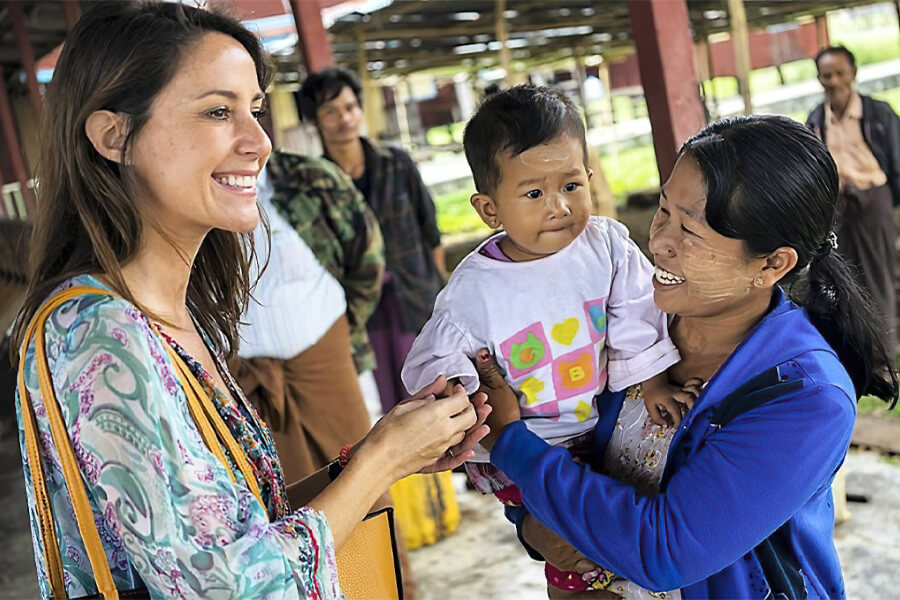
Travelers who show genuine interest in family stories or community traditions are often invited to participate in daily life. Whether it’s sharing dates and Omani coffee in a Bedouin tent or joining a Myanmar family for a simple home-cooked meal, these moments of inclusion are among the most memorable parts of any trip.
Religion and Spiritual Life in Oman and Myanmar
Religion profoundly influences daily behavior, architecture, art, and social expectations in both countries, creating another layer of Oman and Myanmar cultural similarities.
Modesty, Respect, and Sacred Spaces
Modesty and reverence are non-negotiable when entering religious sites. In Oman’s mosques, such as the majestic Sultan Qaboos Grand Mosque in Muscat, visitors must cover shoulders and knees, remove shoes, and maintain quiet. The rules are almost identical at Myanmar’s Buddhist temples: shoulders and knees covered, shoes removed, respectful silence observed.
Having visited both the Grand Mosque and Shwedagon Pagoda multiple times, I can confirm that the atmosphere of calm reverence feels strikingly similar. In both places, photography is restricted in certain areas, voices are hushed, and a sense of inner peace prevails.
This consistency simplifies preparation. A single modest wardrobe (long pants or skirts, tops with sleeves, and a scarf or shawl) works perfectly for sacred sites in either country. Experienced travelers and guidebooks emphasize packing versatile, breathable clothing that respects these shared expectations.
Religious Festivals and Community Harmony
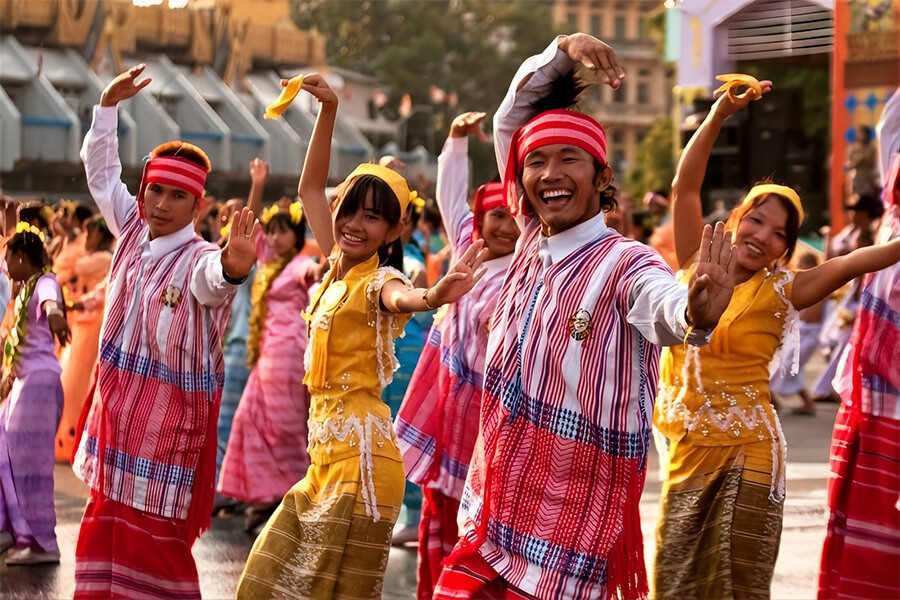
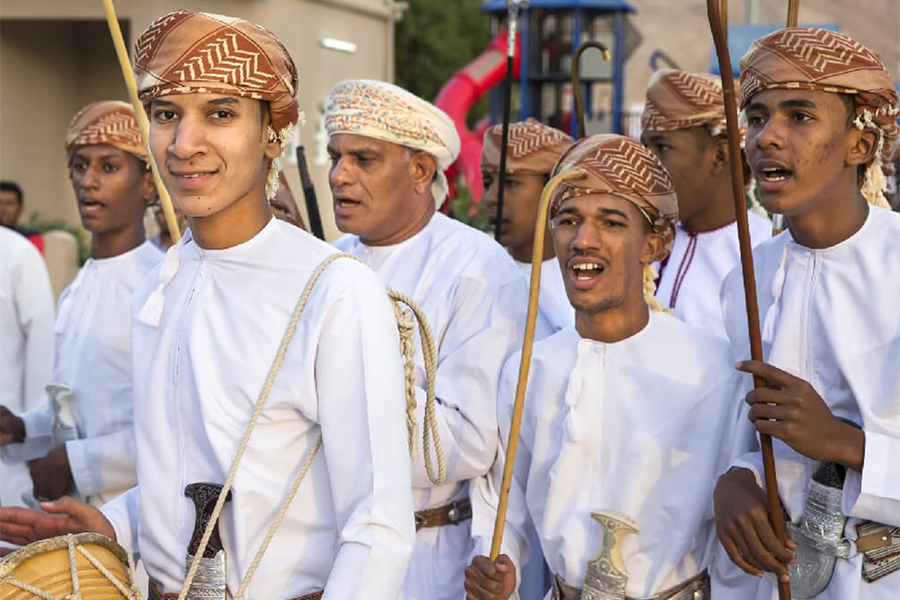
Festivals are major expressions of communal joy and spiritual renewal. Oman’s Eid al-Fitr brings families together for prayers, feasting, and gift-giving, while Myanmar’s Thingyan (Water Festival) marks the New Year with water splashing, laughter, and cleansing rituals. Although the outward forms differ (one centered on solemn prayer and feasting, the other on playful water-throwing), the underlying purpose is the same: strengthening community bonds, expressing gratitude, and seeking blessings for the year ahead.
I attended Eid celebrations in the historic city of Nizwa and Thingyan in Mandalay, and in both cases the streets filled with people greeting each other warmly, sharing food, and radiating goodwill. UNESCO recognizes many such festivals as intangible cultural heritage precisely because they reinforce social harmony.
For visitors, participating respectfully (dressing modestly, following local cues, avoiding excessive photography) allows you to share in these joyful moments without causing offense.
Oman Myanmar Culture Comparison in Hospitality
Hospitality is not merely polite behavior. It is a core part of identity in both Oman and Myanmar.
Warm Greetings and Polite Social Etiquette
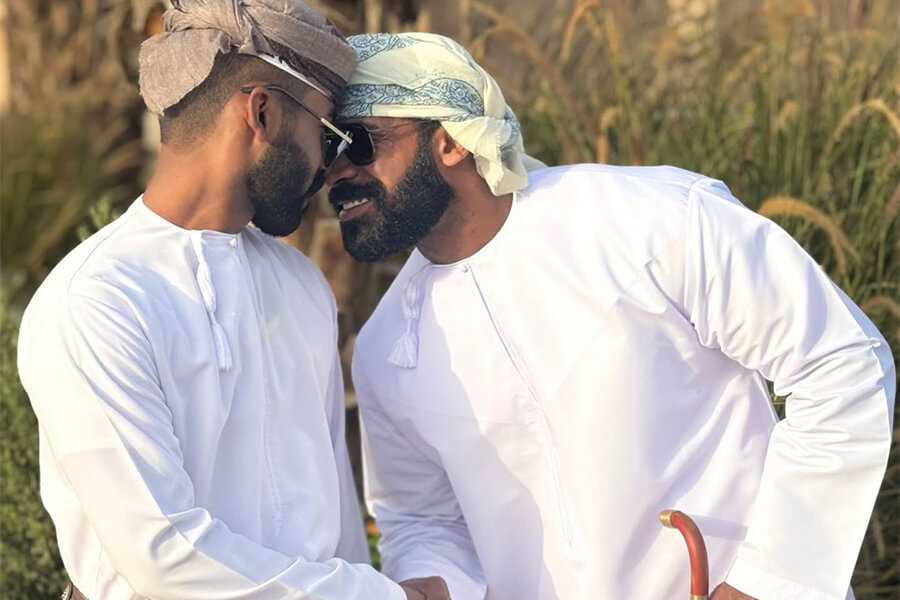
Greetings set the tone immediately. In Oman, “As-salaam alaikum” (peace be upon you) is answered with “Wa alaikum as-salaam” (and upon you be peace), often followed by inquiries about health and family. In Myanmar, the gentle “Mingalaba” (a blessing for good fortune) comes with a warm smile and slight bow. Both rituals are designed to create instant goodwill.
In souqs, teashops, and villages, I found that responding with equal warmth and genuine curiosity almost always led to longer conversations, invitations for tea, or small acts of kindness.
Hospitality as a Cultural Identity
Omanis are famous for offering kahwa (coffee) flavored with cardamom and dates to every guest, regardless of status. Myanmar hosts frequently serve green tea and homemade snacks to visitors who stop by. In both cultures, refusing hospitality outright can be seen as rude; accepting even a small gesture shows appreciation.
Staying with local families in Oman’s mountains and in Myanmar’s countryside taught me that this generosity often stems from ancient traditions of welcoming traders, pilgrims, and strangers along historic routes.
Food Culture and Shared Dining Traditions
Culinary customs reveal yet another layer of connection.
Communal Meals and Sharing Food
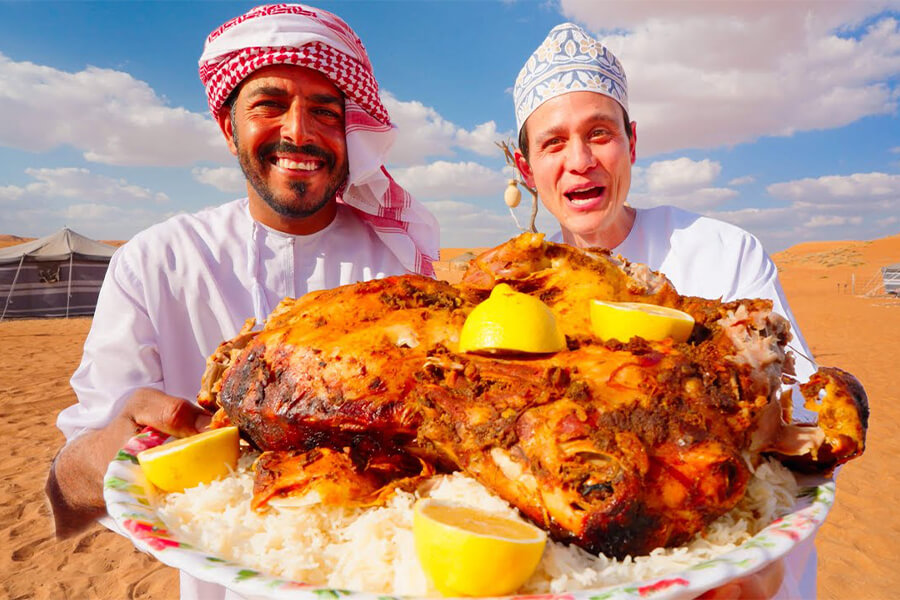
Dining is rarely a solitary activity. In Oman, large platters of rice, spiced meat, and vegetables are placed in the center for everyone to share using the right hand. Myanmar families serve dishes family-style, encouraging everyone to take small portions from shared bowls.
Sharing food creates instant bonds. Whether eating shuwa (slow-cooked meat) in an Omani mountain village or mohinga (fish noodle soup) at a Myanmar roadside stall, the act of eating together fosters closeness.
Respectful Dining Manners
Basic rules are similar: eat with the right hand, wait for elders to begin, avoid wasting food. These shared courtesies make it easy to dine confidently in either country.
Traditional Dress and Modesty in Public Life
Clothing reflects values of modesty and heritage.
Conservative Yet Colorful Traditional Clothing
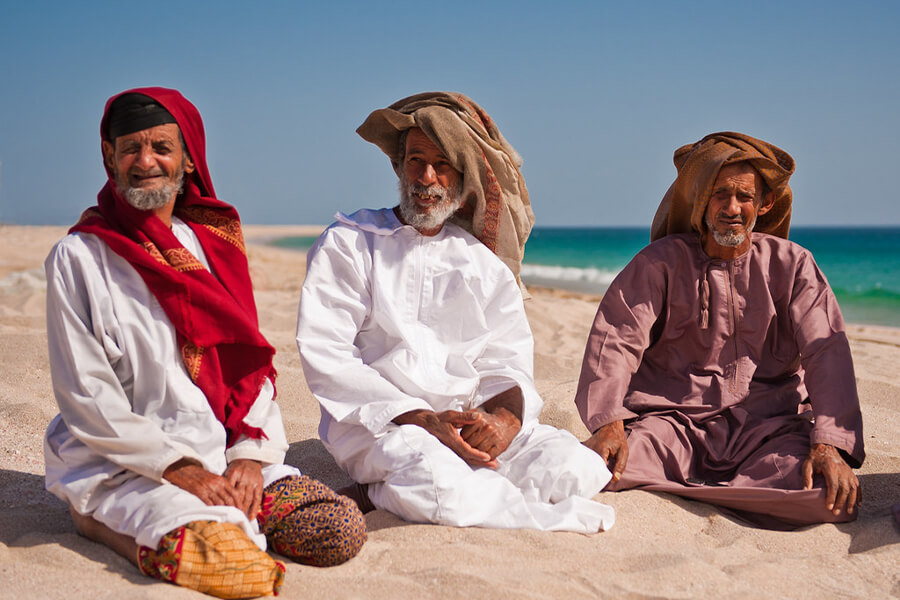
Omani men wear the elegant white dishdasha and kumma cap, women the colorful yet modest abaya and headscarf. In Myanmar, both men and women wear the versatile longyi, a sarong-like garment often in bright patterns. In both cases, traditional dress is practical, beautiful, and respectful.
Dress Etiquette for Visitors
Travelers should cover shoulders and knees in public and religious areas. Lightweight, breathable scarves and long clothing serve both destinations well.
Why These Cultural Similarities Make Travel Easier
Oman and Myanmar cultural similarities reduce culture shock, speed up adaptation, and increase local acceptance.
Less Culture Shock for Myanmar Travelers in Oman
Travelers familiar with Myanmar often find Oman surprisingly intuitive. Shared emphasis on respect, modesty, and hospitality minimizes disorientation.
Easier Social Interaction and Local Acceptance
Polite greetings, deference to elders, and acceptance of hospitality lead to warmer welcomes and deeper connections.
Cultural Differences Between Oman and Myanmar You Should Know
Differences remain important to recognize:
- Climate and geography: Oman’s deserts and mountains contrast sharply with Myanmar’s tropical plains and highlands.
- Language: Arabic (Oman) vs. Burmese (Myanmar).
- Cuisine: Omani food features dates, saffron, and slow-cooking; Myanmar favors tangy, fish-based flavors.
- Social norms: Oman has more pronounced gender segregation in some settings; Myanmar tends toward mixed gatherings.
Being mindful of these distinctions ensures respectful and enjoyable travel in both remarkable countries.
0 Comment