
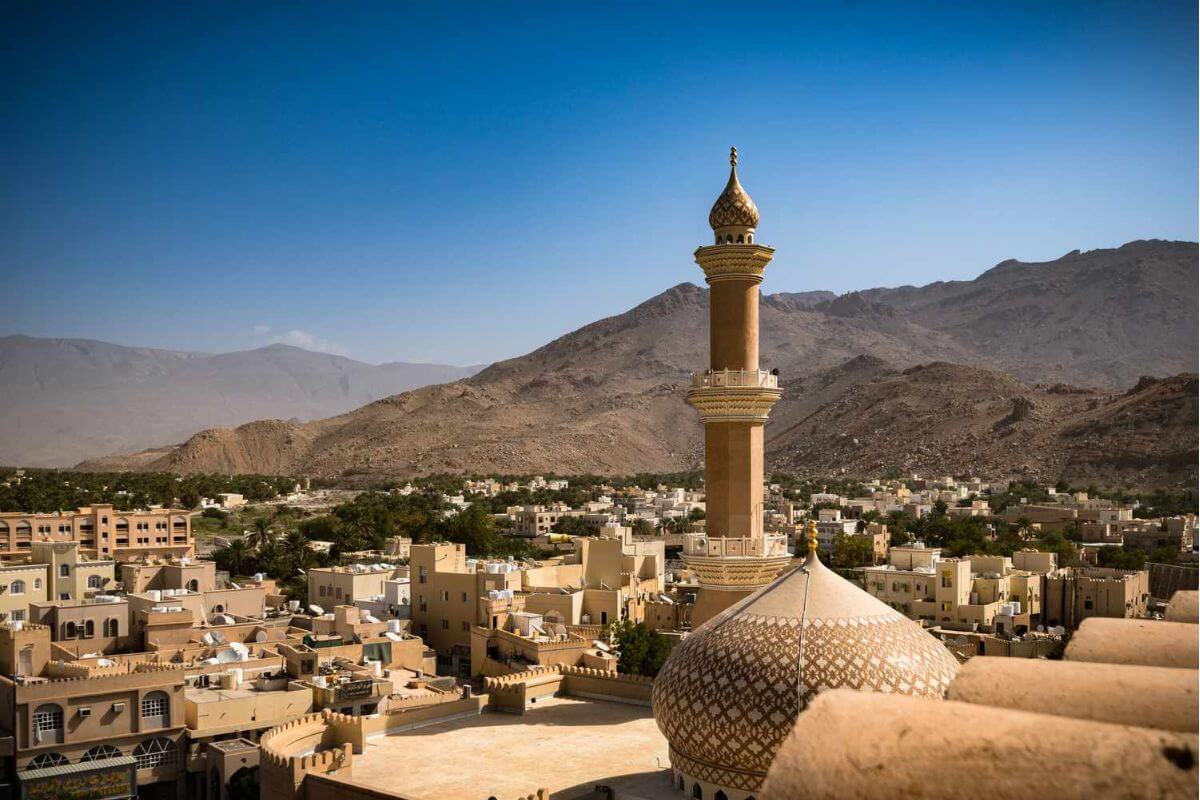

For travelers who have already explored Southeast Asia, the idea of traveling from Vietnam to Oman often feels like stepping into an entirely new chapter of Asia—one shaped by desert landscapes, ancient trade routes, and a rhythm of life that feels both calm and deeply rooted in tradition. Many international visitors begin their journey in Ho Chi Minh City, combining classic experiences such as saigon tours with a long-haul adventure toward the Arabian Peninsula.
This Vietnam to Oman travel guide is designed for cultural travelers who value authenticity over flash, depth over speed, and meaningful encounters over checklist tourism. From Muscat’s whitewashed mosques to the quiet mountain villages of the interior, Oman offers a refined introduction to the Middle East that feels welcoming even for first-time visitors from Vietnam.
Why Should You Travel to Oman from Vietnam?
Choosing to travel to Oman from Vietnam is less about ticking off a popular destination and more about curiosity. Oman is not a country of excess or spectacle; instead, it rewards travelers who enjoy subtle beauty, history, and human-scale experiences.
For visitors coming from Vietnam, the contrast is striking. Vietnam’s dense cities, tropical climate, and motorbike culture give way to Oman’s open roads, dry mountain air, and deliberate pace of life. Yet, there are familiar elements too: strong family values, respect for elders, and a culture that takes pride in hospitality.
Vietnam to Oman tours are increasingly popular among travelers who want to explore beyond East and Southeast Asia while still feeling culturally grounded rather than overwhelmed.
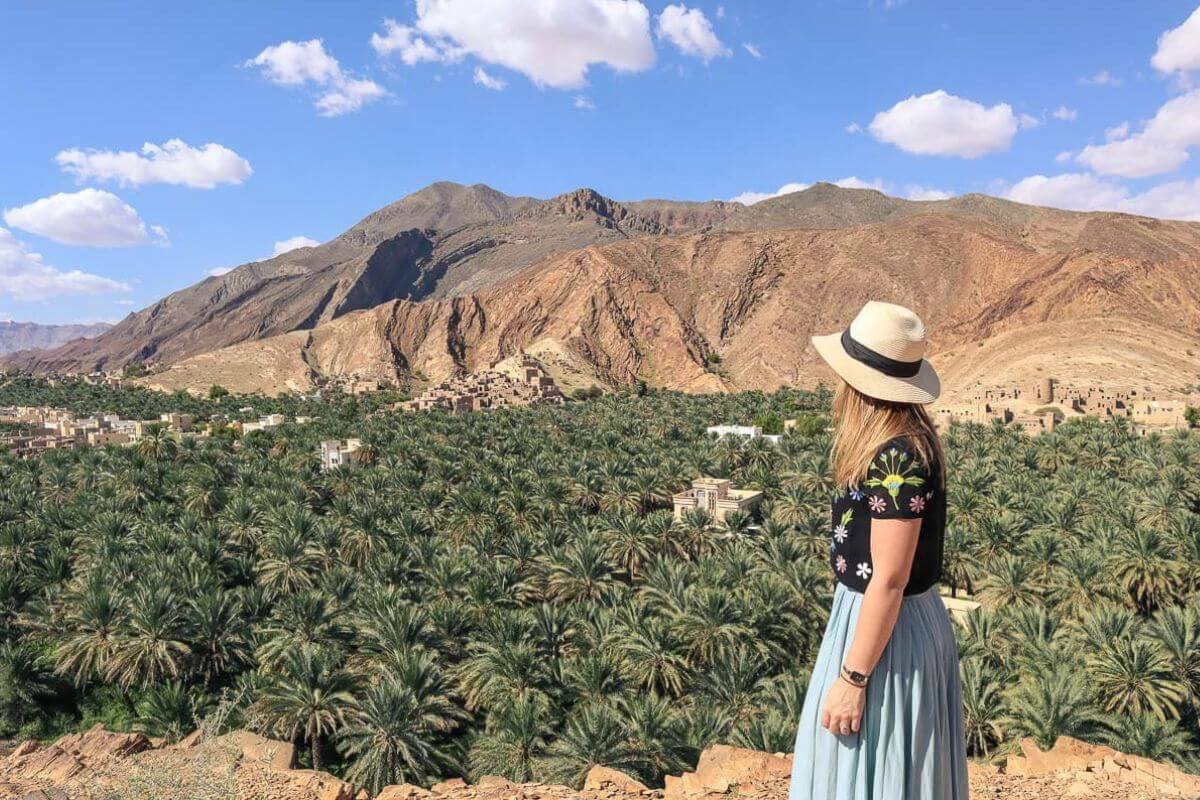
Flights from Ho Chi Minh City to Muscat
Is There a Direct Flight from Vietnam to Oman?
At present, there are no direct flights from Ho Chi Minh City to Muscat. However, the journey is straightforward, with one or two connections through major aviation hubs in Asia or the Middle East. Most travelers find the trip comfortable, especially when planned with a balanced layover.
The total travel time from Ho Chi Minh City to Muscat typically ranges from 12 to 18 hours, depending on the route and connection time.
Popular Flight Routes from Ho Chi Minh City to Muscat
Most Vietnam to Oman travel routes pass through cities such as Bangkok, Doha, Dubai, Istanbul, or Kuala Lumpur. These hubs offer reliable connections and high service standards.
A common route involves flying from Ho Chi Minh City to Bangkok, followed by a long-haul flight to Muscat. Another popular option is connecting through Doha or Dubai, which often provides smoother transit and premium airport facilities.
Best Airlines for Vietnam to Oman Travel
Several airlines consistently stand out for comfort, reliability, and service quality on this route. Qatar Airways is often preferred for its seamless connections through Doha and excellent onboard experience. Emirates, via Dubai, offers generous baggage allowances and modern aircraft. Turkish Airlines is another strong option, especially for travelers who value long layovers with city stopover possibilities.
Vietnam Airlines frequently partners with these carriers, making it easier to book combined itineraries from Ho Chi Minh City.
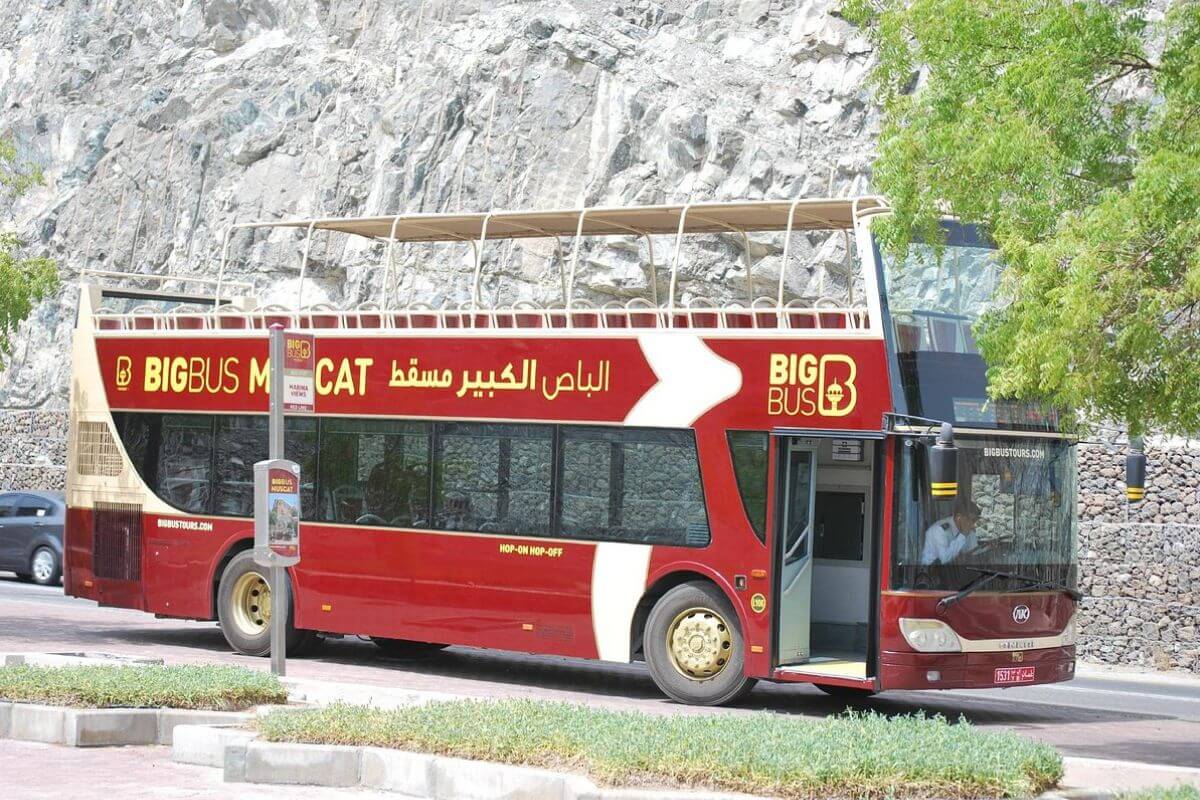
Arrival Experience at Muscat International Airport
Muscat International Airport is modern, well-organized, and calm compared to many major global hubs. Immigration procedures are generally smooth, especially for travelers who have arranged their visa in advance.
English is widely spoken at the airport, signage is clear, and transportation into the city is straightforward. Taxis, ride-hailing services, and hotel transfers are all readily available. First impressions of Oman often begin here—with polite efficiency and a noticeable sense of calm.
Cost of Traveling from Vietnam to Oman
One of the appealing aspects of Oman is that it offers a high-quality travel experience without the extreme costs associated with some Gulf destinations.
For a mid-range traveler, a one-week Vietnam to Oman trip typically costs between USD 1,200 and USD 2,000, including flights, visa, accommodation, food, and local transportation. Luxury travelers can easily spend more, while budget-conscious visitors who plan carefully can keep expenses lower.
Currency Exchange and Payments in Oman
The local currency is the Omani Rial (OMR), one of the strongest currencies in the region. While this may initially seem intimidating, everyday expenses remain reasonable.
Credit and debit cards are widely accepted in cities such as Muscat, Nizwa, and Salalah. However, cash is still useful for small restaurants, taxis, and rural areas. ATMs are plentiful, and exchanging money at banks or official exchange counters provides fair rates.
Transportation Options in Oman
Getting around Oman is surprisingly easy. Muscat has a growing public bus network, but many travelers prefer taxis or rental cars for flexibility. Roads are well-maintained, signage is clear, and driving standards are generally high.
For travelers interested in exploring beyond the capital, renting a car is often the best choice. A standard sedan is sufficient for city travel, while a 4×4 is recommended for mountain regions and desert excursions—common highlights in Vietnam to Oman tours.
Accommodation Options in Oman
Oman offers a wide range of accommodation styles, from affordable city hotels to boutique desert camps and luxury beach resorts.
In Muscat, mid-range hotels provide excellent value, with clean rooms, attentive service, and convenient locations. Outside the capital, traditional guesthouses and eco-lodges allow travelers to connect more deeply with local life.
Desert camps in Wahiba Sands are a highlight for many visitors, offering a chance to experience Bedouin hospitality under star-filled skies.
Food and Dining in Oman
Omani cuisine is subtle, comforting, and deeply influenced by trade routes that once connected East Africa, India, and the Arabian Peninsula. Rice dishes, grilled meats, flatbreads, and aromatic spices dominate local menus.
Eating out is affordable. Simple meals at local restaurants cost only a few Omani Rials, while upscale dining remains reasonably priced by international standards. For travelers from Vietnam, the flavors may feel milder but deeply satisfying.
Sharing food is an important cultural practice in Oman, and travelers who accept invitations or dine in local settings often describe these moments as highlights of their journey.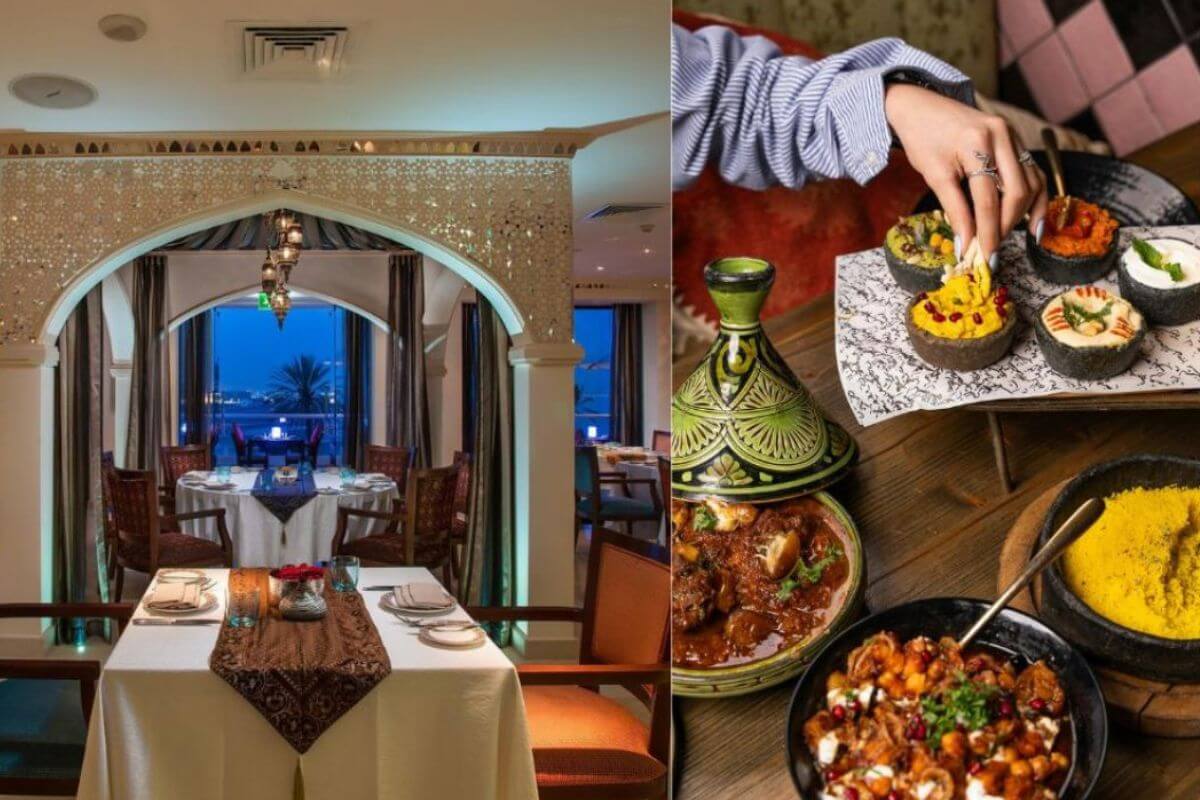
Best Time to Travel from Vietnam to Oman
The ideal time for travel to Oman from Vietnam is between October and April. During these months, temperatures are pleasant, making it comfortable to explore cities, deserts, and mountains.
Summer months can be extremely hot, especially in inland regions, though coastal areas remain manageable for travelers who prefer fewer crowds. For most visitors, winter offers the best balance of weather and activities.
Suggested Vietnam to Oman Travel Itinerary
A well-paced itinerary allows travelers to experience Oman’s diversity without feeling rushed.
Begin with several days in Muscat, exploring landmarks such as the Sultan Qaboos Grand Mosque, the Royal Opera House, and Mutrah Souq. From there, venture inland to Nizwa for history and traditional markets, then continue to the mountains or desert for nature and adventure.
Many Vietnam to Oman tours also include coastal wadis, where turquoise pools contrast dramatically with arid surroundings. Each region reveals a different side of the country, reinforcing Oman’s reputation as a destination of quiet depth.
Cultural Tips for Travelers from Vietnam
Oman is welcoming, but cultural awareness enhances the experience. Modest dress is appreciated in public spaces, particularly in religious and rural areas. Light, breathable clothing that covers shoulders and knees is both respectful and practical.
Photography is generally accepted, but asking permission before photographing people is a sign of respect. Omanis value privacy and courtesy, and small gestures go a long way.
The pace of life in Oman is slower than in Vietnam’s major cities. Embracing this rhythm—allowing time for tea, conversation, and reflection—often leads to the most meaningful encounters.
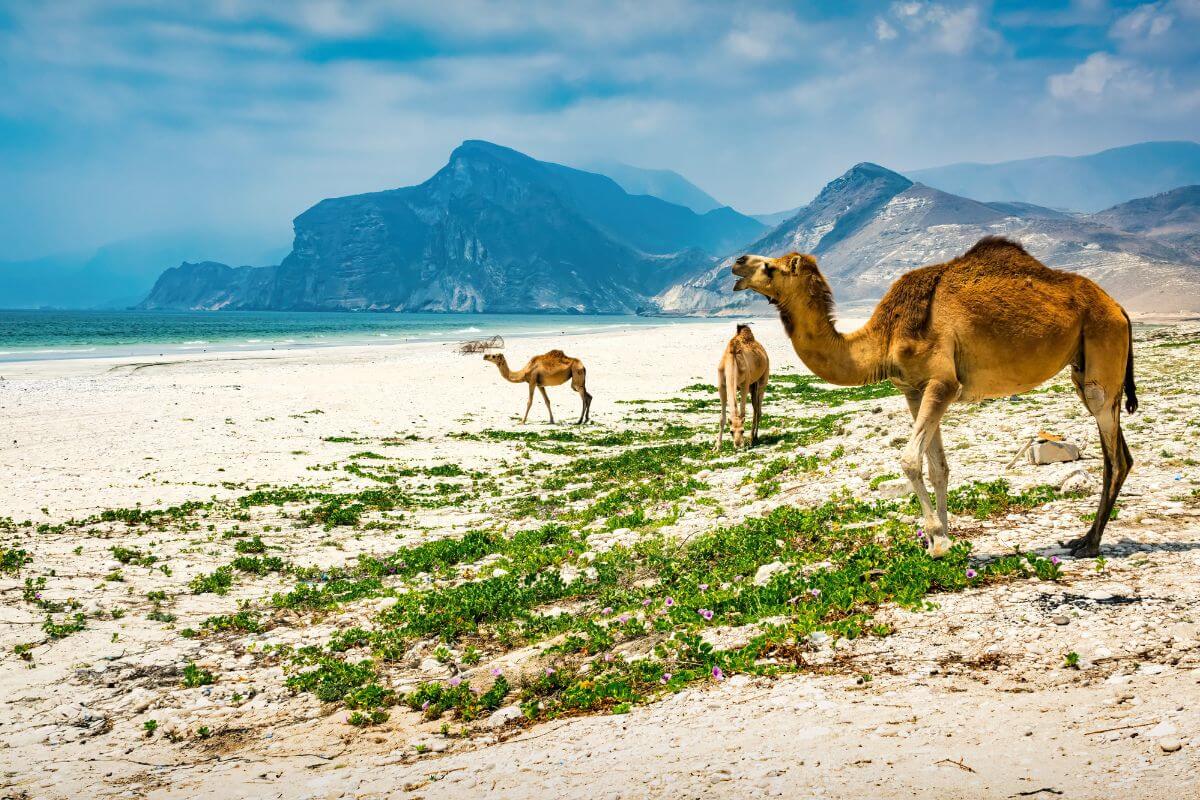
Why Oman Appeals to Cultural Travelers
Oman does not try to impress through spectacle. Instead, it offers something rarer: authenticity without hardship, tradition without rigidity, and comfort without excess.
For travelers who have explored Vietnam deeply and are ready to expand their cultural horizons, Oman feels like a natural progression. The journey from Ho Chi Minh City to Muscat is not just a geographical shift, but a change in perspective—one that invites calm, curiosity, and connection.
Final Thoughts on Vietnam to Oman Travel
Traveling from Vietnam to Oman is more accessible than many travelers expect, and far more rewarding than they imagine. With thoughtful planning, realistic expectations, and an open mind, this journey reveals a side of Asia that feels timeless and deeply human.
Whether you travel independently or through curated Vietnam to Oman tours, the experience offers a lasting impression—one shaped not by speed or spectacle, but by quiet moments, shared stories, and landscapes that speak softly yet powerfully.
If you’re ready to look beyond familiar routes and experience Asia from a new angle, Oman may be exactly the destination you’ve been searching for.
0 Comment