
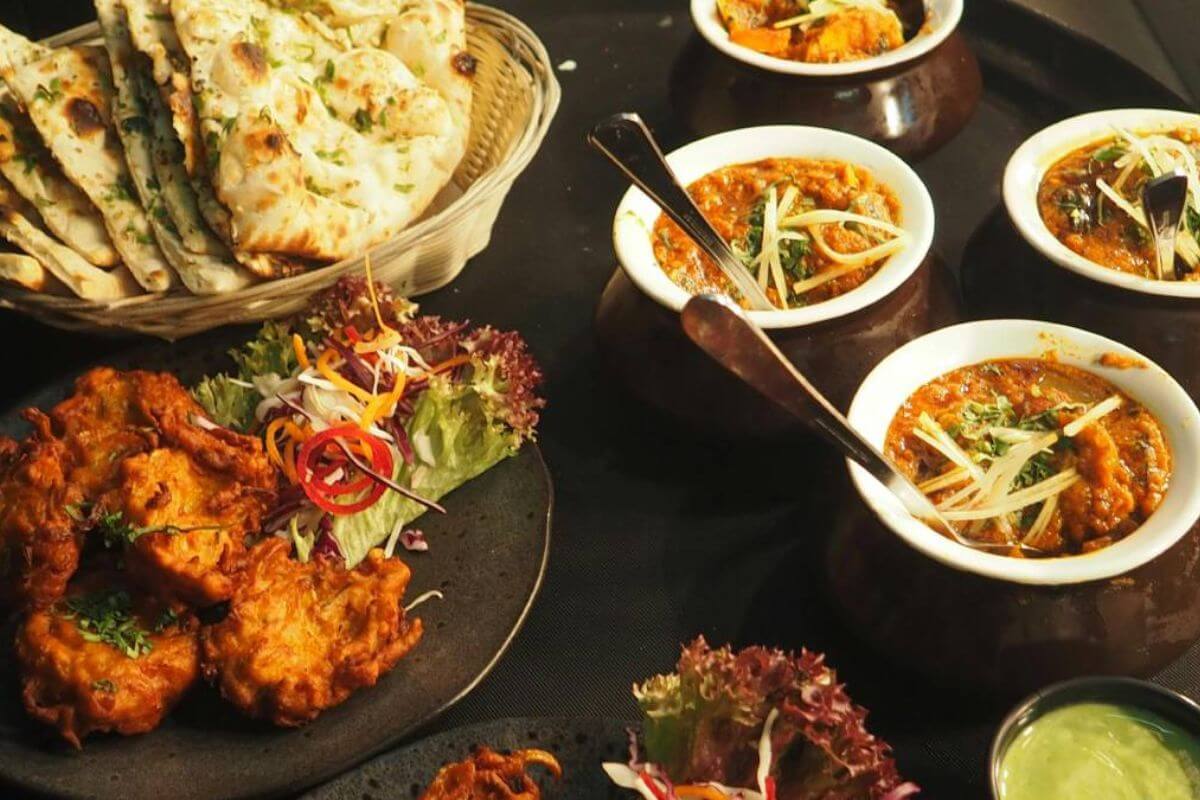

For Muslim travelers from Oman, food is never just about taste. It is about faith, trust, cultural familiarity, and emotional comfort while being far from home. A Halal Food Journey represents something deeply personal: the assurance that one can explore the world without compromising religious values.
Interestingly, Southeast Asia—particularly Vietnam—is emerging as an unexpected yet rewarding destination for Muslim travelers seeking authentic halal dining experiences. Within the first days of arriving in southern Vietnam, many travelers combine cultural sightseeing with carefully curated saigon tours that introduce them to halal-friendly neighborhoods, mosques, and trusted local eateries – often arranged ho chi minh tour through experienced operators such as Saigon Local Tour.
This journey from the deserts and coastal kitchens of Oman to the vibrant streets of Ho Chi Minh City is not just geographical—it is cultural, spiritual, and culinary.
Halal Cuisine as an Essential Part of Travel for Muslim Travelers
Why Halal Food Shapes Travel Decisions
For Muslim travelers, halal food availability is often one of the first considerations when choosing a destination. While scenery and attractions matter, the question of “Can I eat comfortably here?” frequently determines whether a trip feels relaxing or stressful.
Halal dining is not a preference—it is an obligation rooted in faith. Destinations that clearly communicate halal options, mosque access, and Muslim-friendly services naturally gain trust within Muslim travel markets. This explains why regions traditionally perceived as non-Muslim destinations must now adapt to meet growing demand.
Food, Faith, and Comfort When Traveling Abroad
Food connects travelers to a sense of routine and spiritual reassurance. When halal options are scarce or unclear, anxiety replaces curiosity. Conversely, when halal meals are accessible and clearly labeled, travelers are free to immerse themselves fully in the destination’s culture.
Vietnam’s recent efforts to understand Muslim travelers’ needs reflect a broader shift in global tourism—one that values inclusivity without erasing local identity.
The Rich Heritage of Omani Halal Cuisine
Traditional Omani Dishes Rooted in Halal Practices
Omani cuisine is deeply intertwined with Islamic traditions. From slow-cooked Shuwa prepared for religious celebrations to fragrant rice dishes infused with cardamom and saffron, halal principles are seamlessly integrated into everyday cooking. Meat sourcing, preparation methods, and communal dining practices all reflect centuries of religious adherence.
Unlike commercialized halal food scenes elsewhere, Omani halal cuisine remains largely home-centered, emphasizing authenticity and generational knowledge rather than branding.
Family Meals, Hospitality, and Cultural Values in Oman
Hospitality is sacred in Omani culture. Guests are treated as blessings, and meals are shared generously. This emphasis on respect, warmth, and communal dining forms a cultural foundation that resonates strongly with Muslim communities abroad—including those in Southeast Asia.
These shared values make cultural transitions smoother when Omani travelers encounter Muslim communities in Vietnam.
Vietnam Through a Muslim-Friendly Lens
Understanding Halal Food in Vietnam
Vietnam is not a Muslim-majority country, yet it is far from unfamiliar with Islam. Small but historically rooted Muslim communities—primarily Cham and Malay descendants—have preserved halal traditions for generations.
In major cities, halal food in Vietnam is increasingly visible. Restaurants now cater not only to local Muslims but also to international visitors from Malaysia, Indonesia, the Middle East, and beyond.
The Growing Awareness of Muslim Travelers’ Needs
Vietnamese tourism authorities and private operators are slowly embracing Muslim-friendly services. Halal certification, prayer spaces, and culturally sensitive tour planning are becoming more common, especially in Ho Chi Minh City.
This growing awareness allows destinations like Vietnam to position themselves as emerging halal-friendly travel hubs without losing their local character.
Discovering Ho Chi Minh City’s Muslim Quarter
A Brief History of the Muslim Community in Ho Chi Minh City
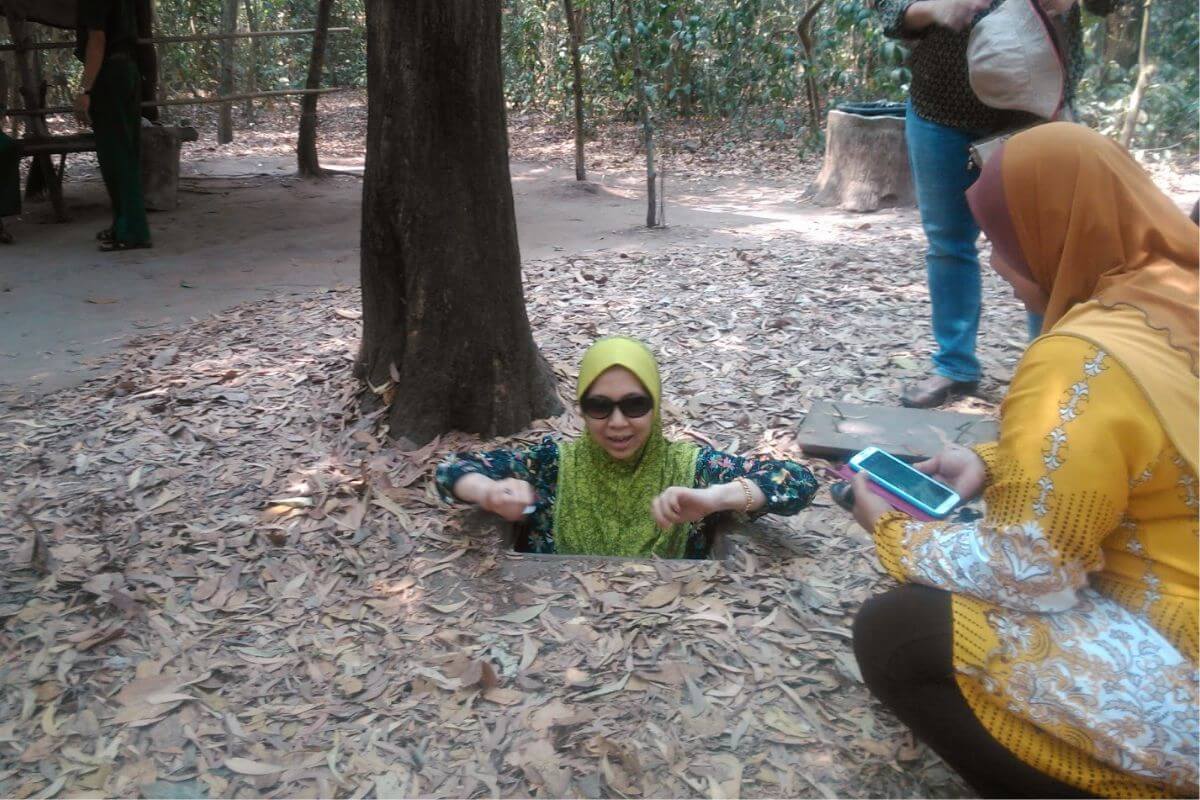
The Muslim presence in Ho Chi Minh City dates back centuries, with roots in Cham traders and Malay migrants. Over time, these communities established mosques, halal markets, and family-run eateries that continue to serve as cultural anchors today.
Located mainly around District 1 and District 8, the Muslim Quarter offers travelers a rare glimpse into a quieter, faith-centered side of Vietnam’s largest city.
Mosques, Halal Restaurants, and Community Life
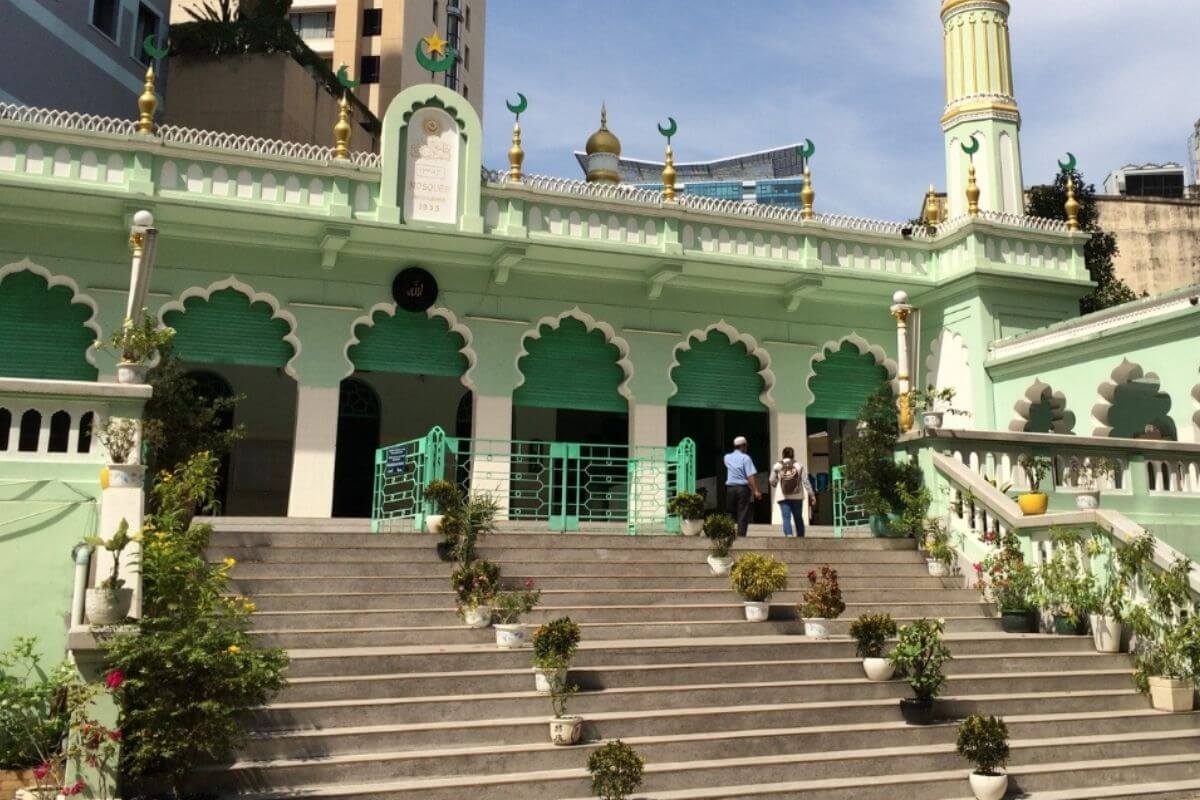
Mosques such as Masjid Al Rahim serve not only as places of worship but also as community hubs. Nearby halal restaurants, bakeries, and grocery shops create a cohesive environment where Muslim travelers feel instantly welcomed.
The rhythm of daily prayers, shared meals, and respectful interactions echoes familiar patterns found in Oman and other Islamic cultures.
What to Expect from Halal Dining in Ho Chi Minh City
Common Halal Dishes and Culinary Influences
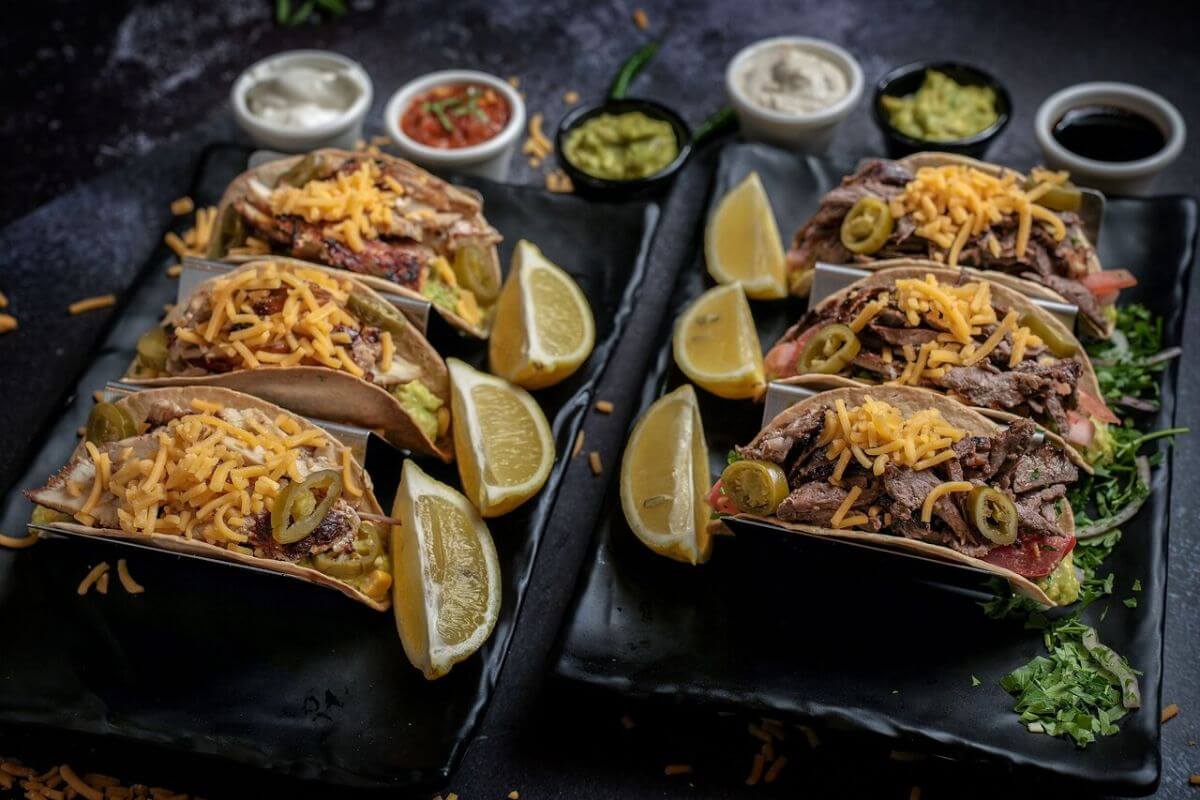
Halal food in Ho Chi Minh City reflects a fascinating blend of Vietnamese techniques and international Muslim influences. Expect dishes inspired by Malaysian, Indonesian, Indian, and Middle Eastern flavors—alongside localized Vietnamese adaptations using halal meats and spices.
Rice-based meals, noodle soups, grilled meats, and aromatic curries dominate menus, offering both comfort and discovery.
Local Halal Restaurants vs. International Halal Chains
Local halal restaurants provide the most culturally immersive experiences. Family-owned establishments often prepare food according to traditional recipes passed down through generations.
International halal chains, while reliable, lack the storytelling and personal connection that define a true halal food tour experience in Vietnam.
Experiencing Halal Food the Local Way in Ho Chi Minh City
A meaningful halal food tour goes beyond restaurant hopping. It includes conversations with local Muslim families, visits to neighborhood mosques, and understanding how halal principles coexist within Vietnam’s broader culinary landscape.
Travelers who explore with knowledgeable local guides gain insights unavailable through guidebooks alone. Carefully designed itineraries—such as those curated by True Oman Tour in collaboration with trusted local partners—bridge cultural gaps while ensuring religious comfort.
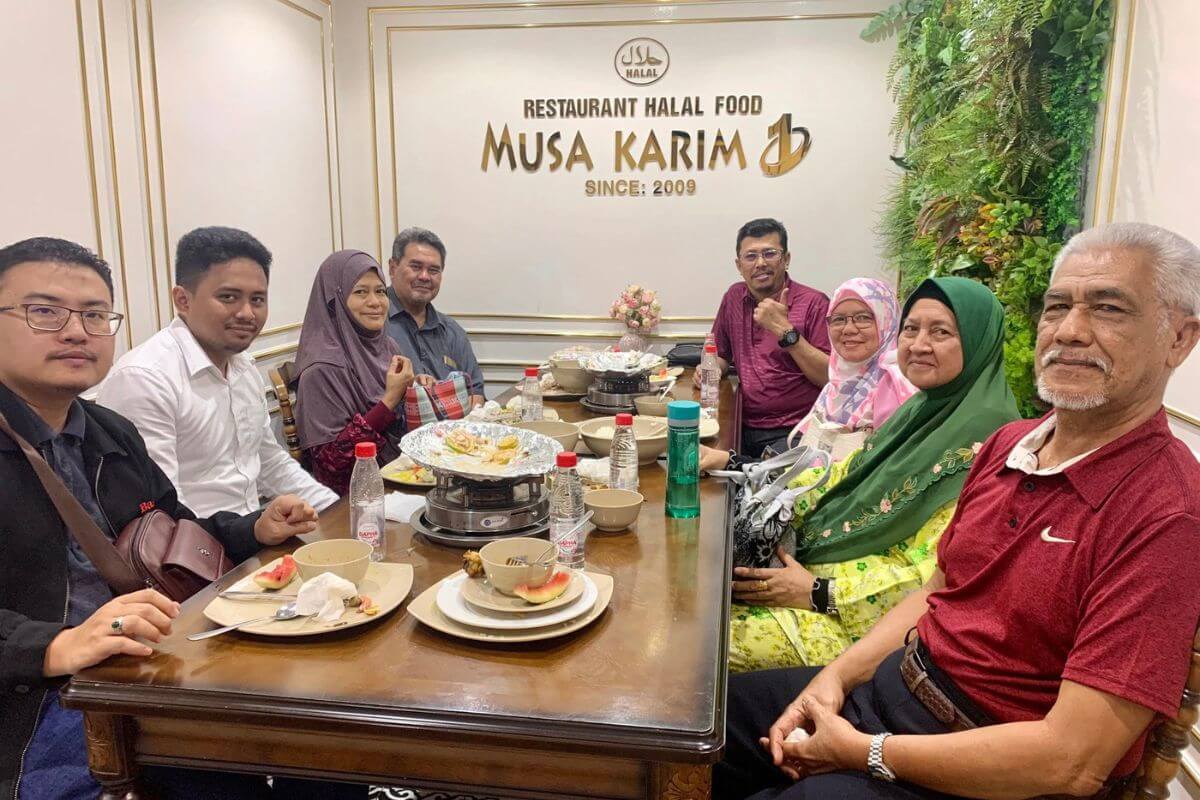
Cultural Similarities Between Omani and Vietnamese Muslim Communities
Hospitality, Respect, and Community-Centered Living
Despite geographical distance, Omani and Vietnamese Muslim communities share core values: respect for elders, communal responsibility, and hospitality toward guests.
These similarities foster immediate emotional connection for Omani travelers navigating Vietnam’s Muslim neighborhoods.
Food as a Bridge Between Cultures
Food acts as a universal language. Sharing halal meals creates spaces for dialogue, trust, and mutual understanding. Through food, travelers recognize that faith-based values transcend borders.
Practical Tips for Muslim Travelers Visiting Ho Chi Minh City
Traveling as a Muslim in Ho Chi Minh City is increasingly comfortable, but a smooth experience still depends on preparation, cultural awareness, and local insight. Below is a deeper, practical guide designed specifically for Muslim travelers—especially those visiting Vietnam for the first time.
How to Identify Trusted Halal Restaurants
While halal food in Ho Chi Minh City is growing, halal certification is not yet as standardized or visible as in Muslim-majority countries. Because of this, trust is built more through community signals than signage alone.
The most reliable halal restaurants are often located near mosques or are regularly frequented by local Muslims. Areas around Masjid Al Rahim are particularly dependable, as food vendors nearby understand halal requirements well and rely on the trust of worshippers.
When in doubt, do not hesitate to ask restaurant staff directly about meat sourcing and preparation methods. Many halal restaurant owners are Muslims themselves and are open and transparent about their practices. Online reviews from Muslim travelers, especially on Google Maps and Muslim travel forums, are also extremely helpful for cross-checking information.
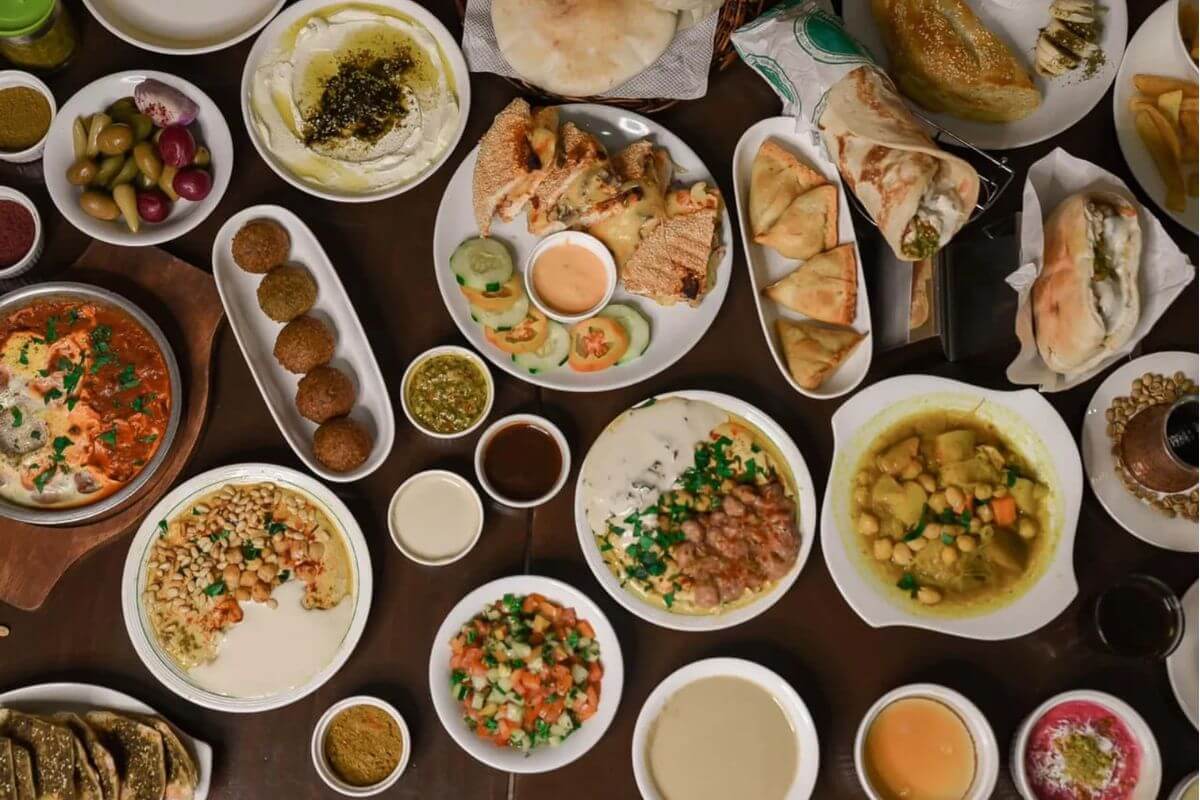
Understanding Halal Labels and Local Context
It is important to understand that the term “halal” in Vietnam may sometimes be used loosely in non-Muslim establishments to indicate “no pork.” However, for Muslim travelers, halal goes beyond ingredient exclusion—it includes slaughter methods, cross-contamination avoidance, and overall food handling.
For this reason, vegetarian or seafood-only restaurants may be acceptable for some travelers, but they should not automatically be assumed halal. Travelers who prefer strict adherence should prioritize Muslim-owned eateries or restaurants explicitly recognized by the local Muslim community.
Prayer Facilities and Managing Prayer Times
Ho Chi Minh City does not yet have prayer rooms in most public spaces such as malls or airports. Planning prayer times in advance is therefore essential. Mosques remain the most reliable places for prayer, and local Muslims are generally welcoming to visitors.
Travelers staying in hotels may wish to bring a portable prayer mat and prayer app to manage daily prayers comfortably in private rooms. Hotel staff are usually respectful when asked for a quiet space, even if they are unfamiliar with Islamic practices.
Dress Code and Cultural Sensitivity
Vietnamese society is generally modest and respectful, even outside Muslim communities. While there is no strict dress code for visitors, modest clothing is appreciated, especially when visiting mosques or Muslim neighborhoods.
For women, wearing loose-fitting clothing and covering arms and legs helps avoid unwanted attention and shows cultural respect. Men are also encouraged to dress modestly near religious sites. These small gestures are often met with warmth and appreciation by locals.
Communication and Language Tips
English is spoken at a basic level in tourist areas, but communication can still be challenging in smaller halal eateries or local neighborhoods. Learning a few simple phrases or using translation apps can significantly improve interactions.
Muslim-related terms such as “halal,” “mosque,” or “no pork” are increasingly understood, especially in District 1. A polite tone and friendly body language go a long way in bridging language gaps.
Transportation and Getting Around Halal Areas
Halal restaurants and mosques are spread out rather than concentrated in one single district. Using ride-hailing apps such as Grab is the most convenient way to move between locations safely and affordably.
Planning your daily route around prayer times and meal stops can help avoid unnecessary travel and fatigue, especially in Ho Chi Minh City’s warm, humid climate.
Working with Muslim-Friendly Local Tours
For travelers who prefer peace of mind, choosing Muslim-aware or culturally sensitive local tours can greatly enhance the experience. Such tours help avoid awkward situations related to food, prayer timing, or inappropriate activities.
When halal dining, cultural understanding, and logistics are handled professionally, Muslim travelers can focus fully on enjoying Vietnam’s history, people, and cuisine without compromise.
A Meaningful Halal Food Journey Beyond Borders
A Halal Food Journey from Oman to Ho Chi Minh City is not merely about food—it is about identity, belonging, and shared humanity. Vietnam’s evolving halal landscape offers Muslim travelers a rare blend of discovery and reassurance.
For those seeking destinations that honor faith while offering cultural richness, Ho Chi Minh City stands as a quietly powerful example of how halal cuisine can connect worlds—one shared meal at a time.
0 Comment